





Developed in fulfilment of the MA in Applied Human Rights at the University of Applied Arts Vienna, as part of Marijda Kamper’s master’s thesis project.
Devised by: The Ensemble
Directed by: The Ensemble
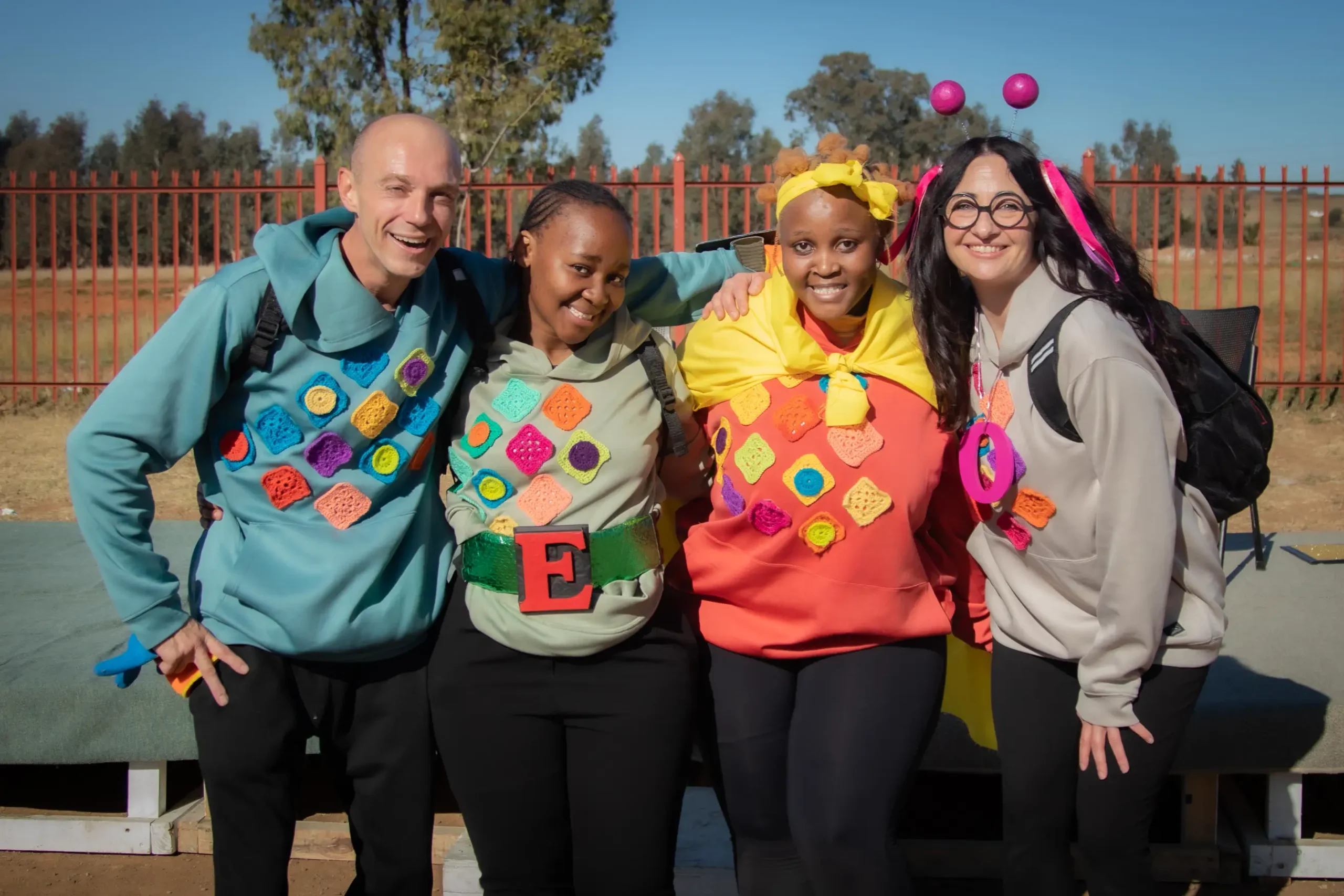
Starring: Boitumelo Mohutsioa, Charl Henning, Marijda Kamper, Mosa Nyelele
Original Musical Score Composed by: Hillétje Möller Bashew
Production Design by: The Ensemble
Q&A Moderation by: Michelle Nöthling
Photos by: Sarel Henry
Cinematography & Editing by: Juné Pretorius
Developed in fulfilment of the MA in Applied Human Rights at the University of Applied Arts Vienna, as part of Marijda Kamper’s master’s thesis project.
Devised by: The Ensemble
Directed by: The Ensemble
Starring: Boitumelo Mohutsioa, Charl Henning, Marijda Kamper, Mosa Nyelele
Original Musical Score Composed by: Hillétje Möller Bashew
Production Design by: The Ensemble
Q&A Moderation by: Michelle Nöthling
Photos by: Sarel Henry
Cinematography & Editing by: Juné Pretorius
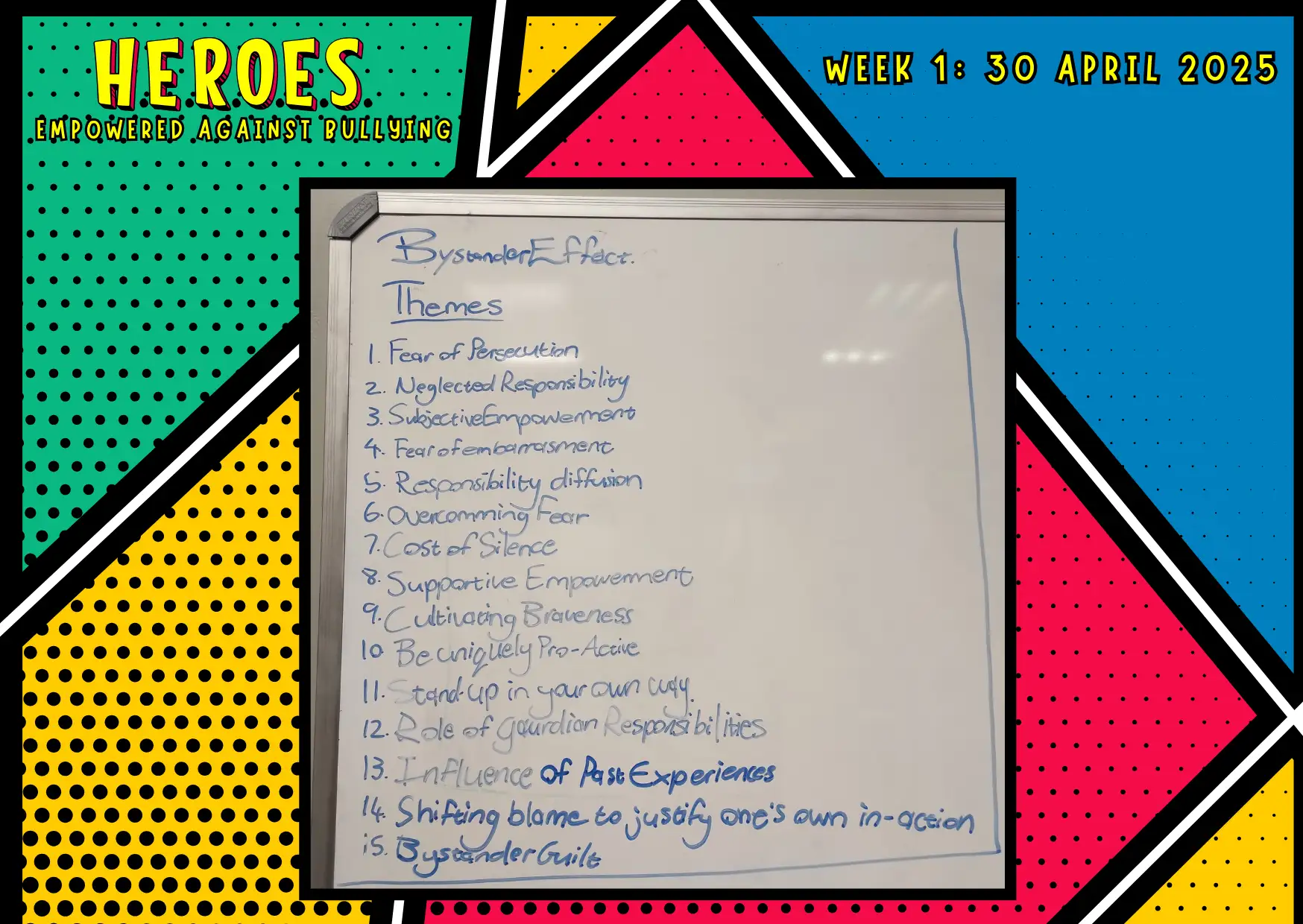
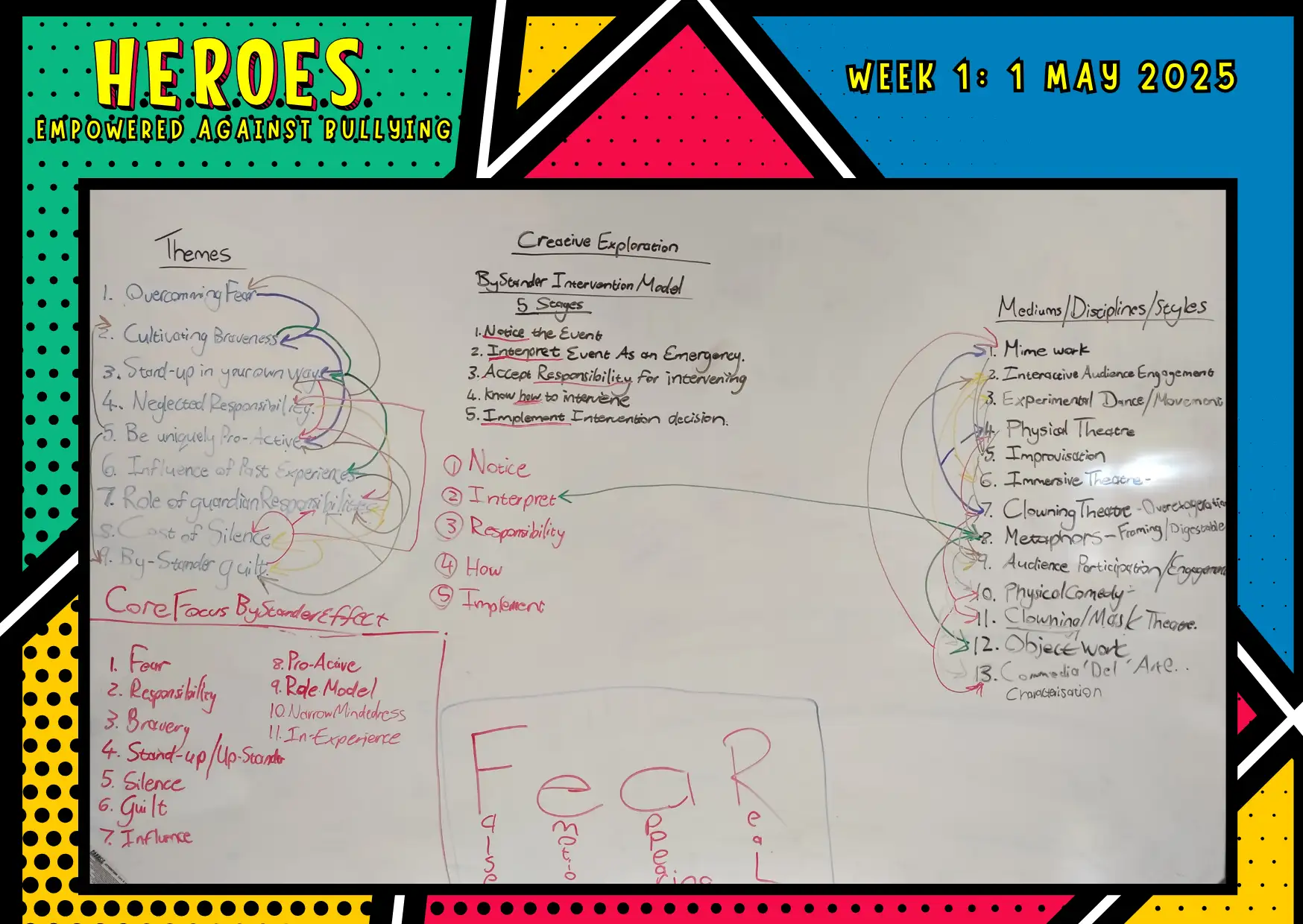
During the first week of rehearsals, the focus was on exploring research and establishing trust and connection within the team. We examined sources and interviews related to adolescent bullying and bystander behaviour, identifying recurring themes such as fear, bravery, responsibility, guilt, peer pressure, and the cost of silence. These themes were grouped and explored through creative exercises, such as statue work and short scenes, utilising different theatrical styles to engage with the Bystander Intervention Model. Alongside this, we worked on building group dynamics—developing self-confidence, trust, focus, and a space where vulnerability was welcomed without judgment.
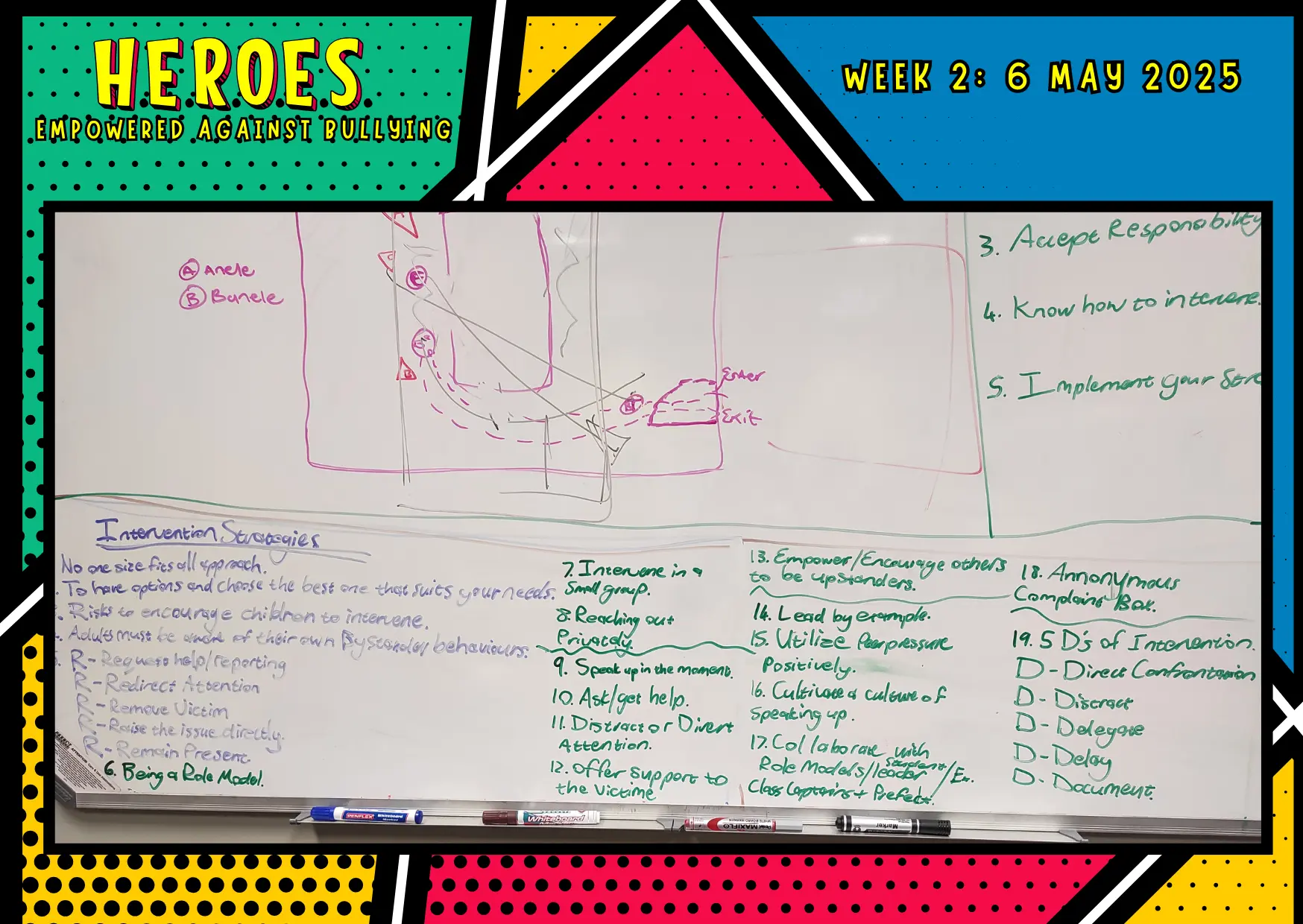
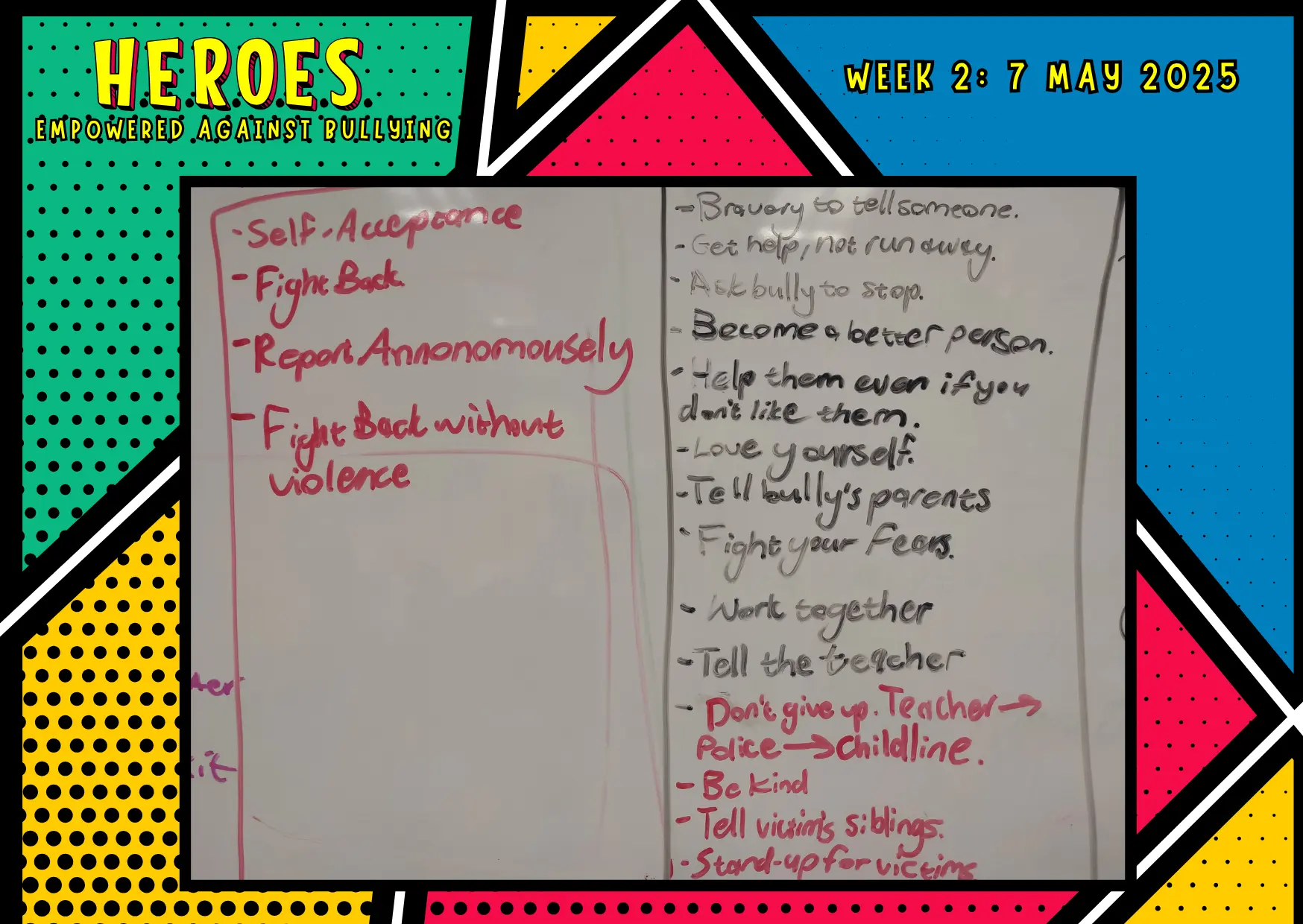
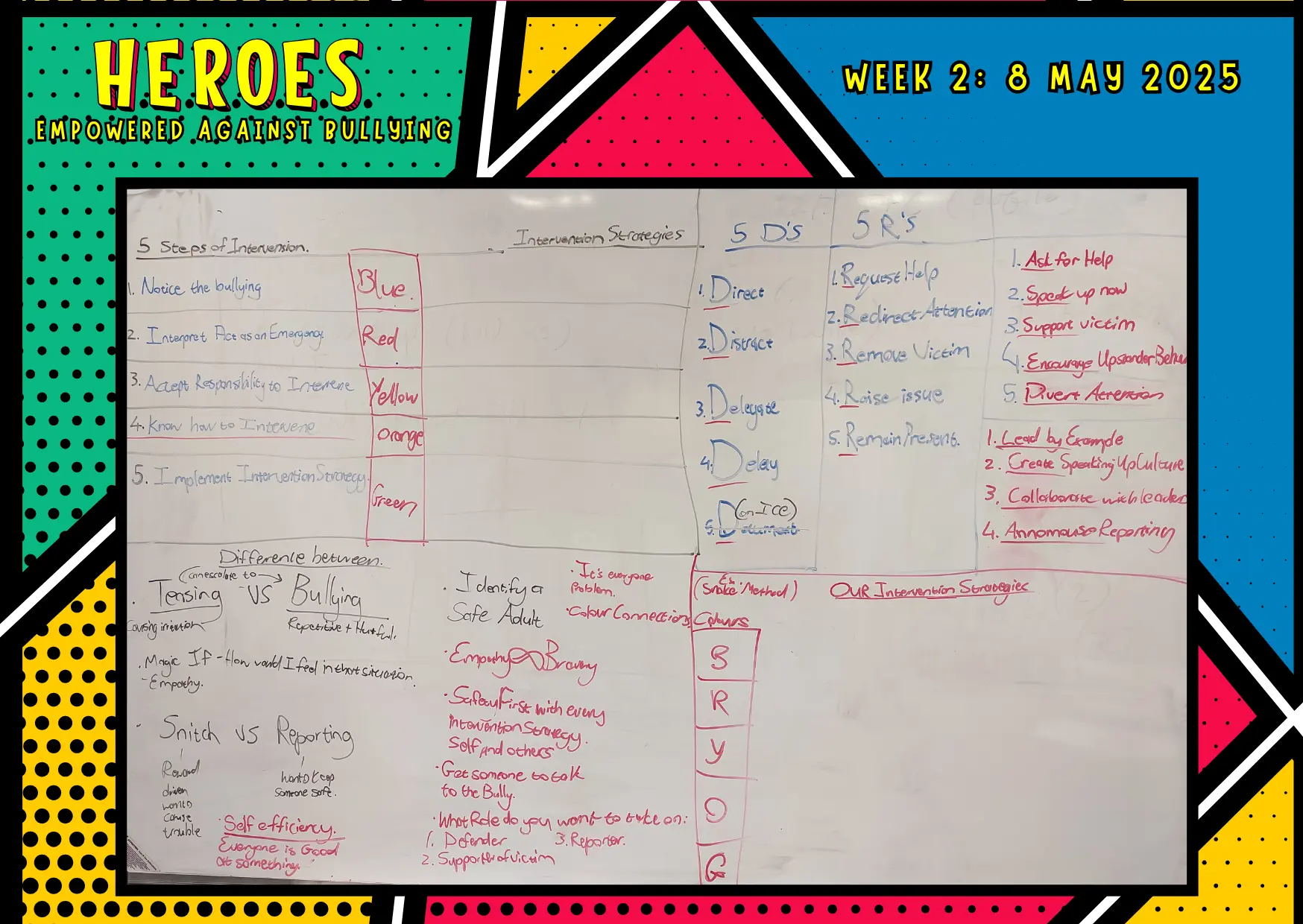
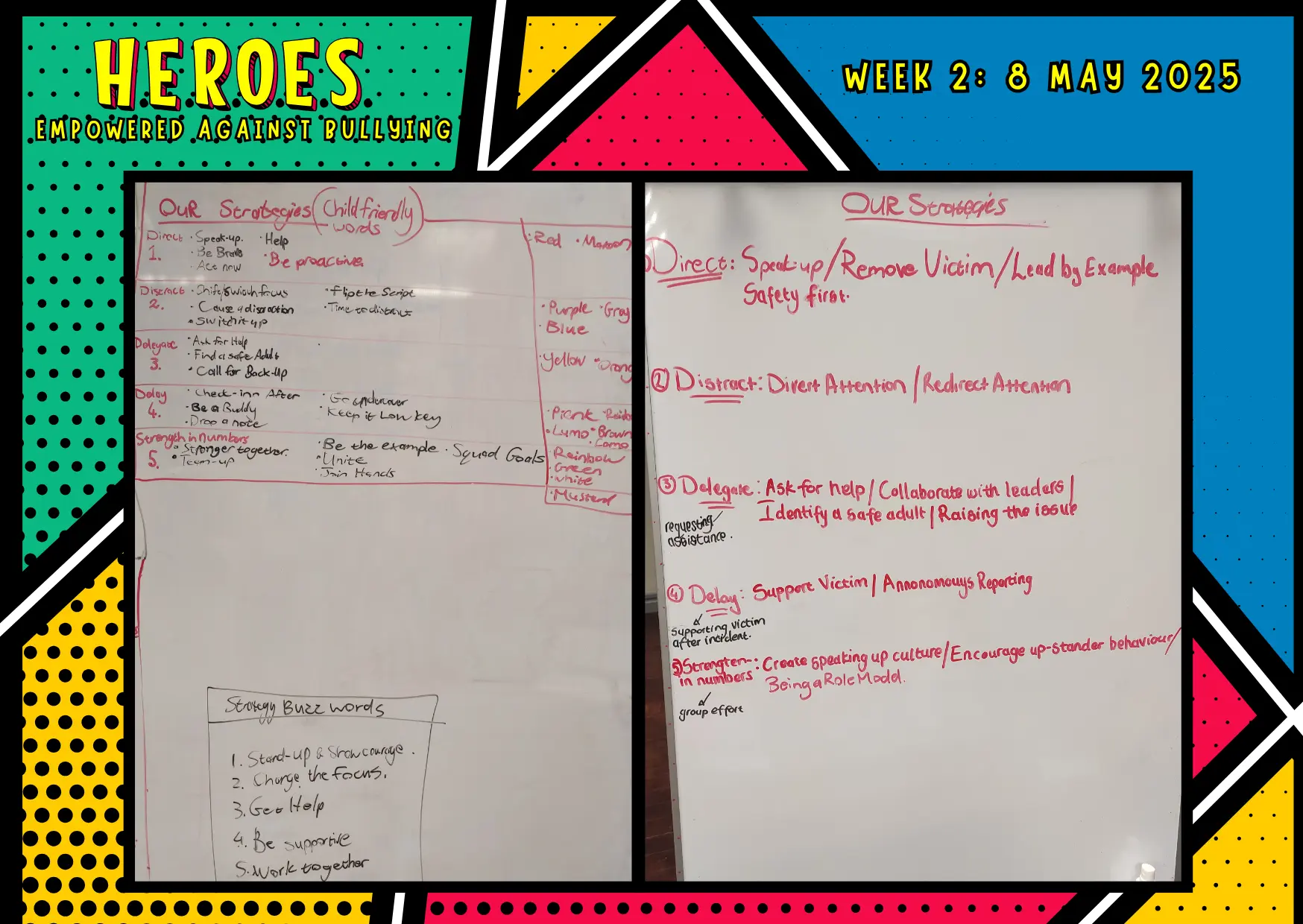
In week two, the focus shifted to intensive table work and a deeper investigation into bystander intervention strategies, with an emphasis on how children can respond safely and effectively to bullying.
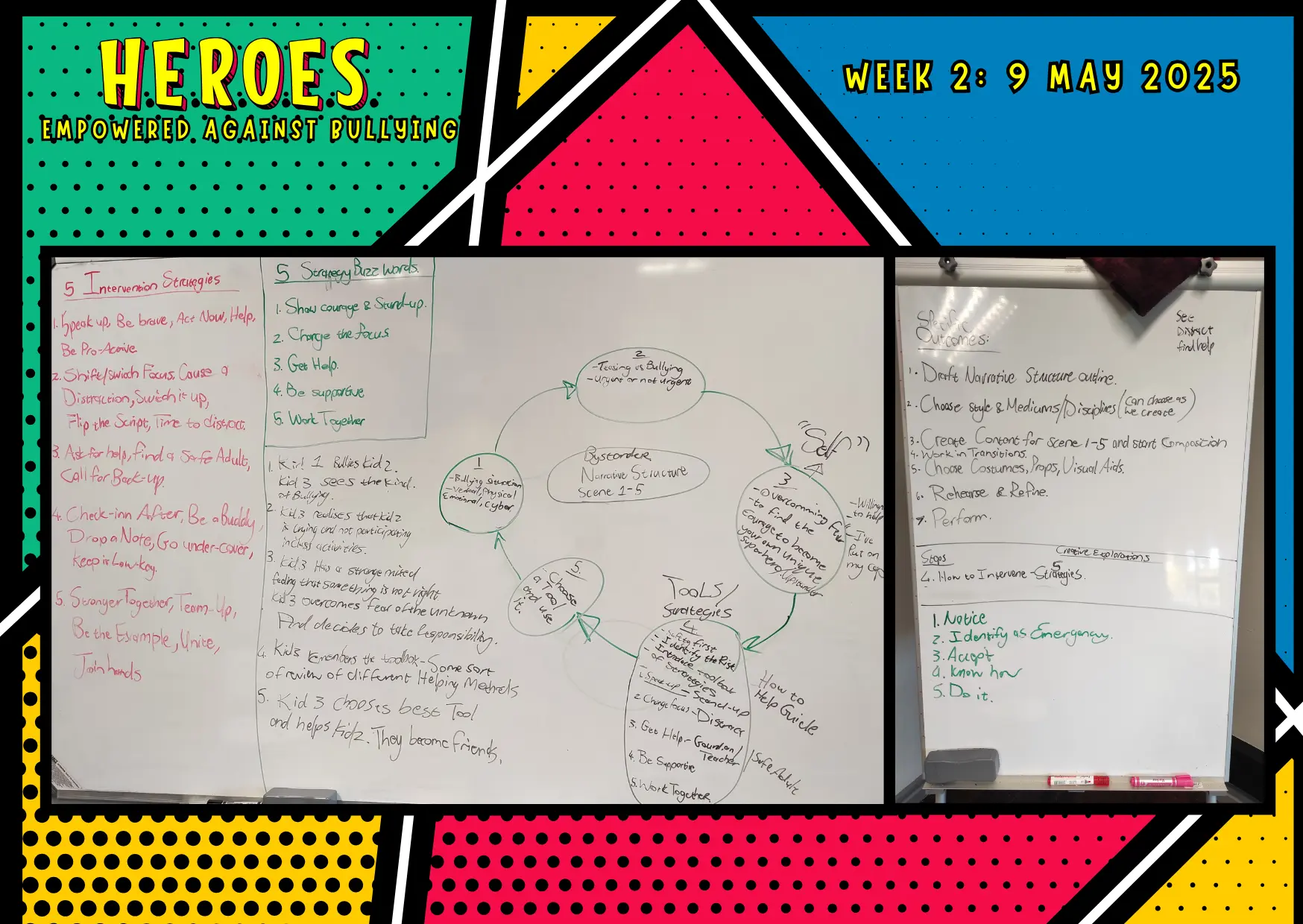
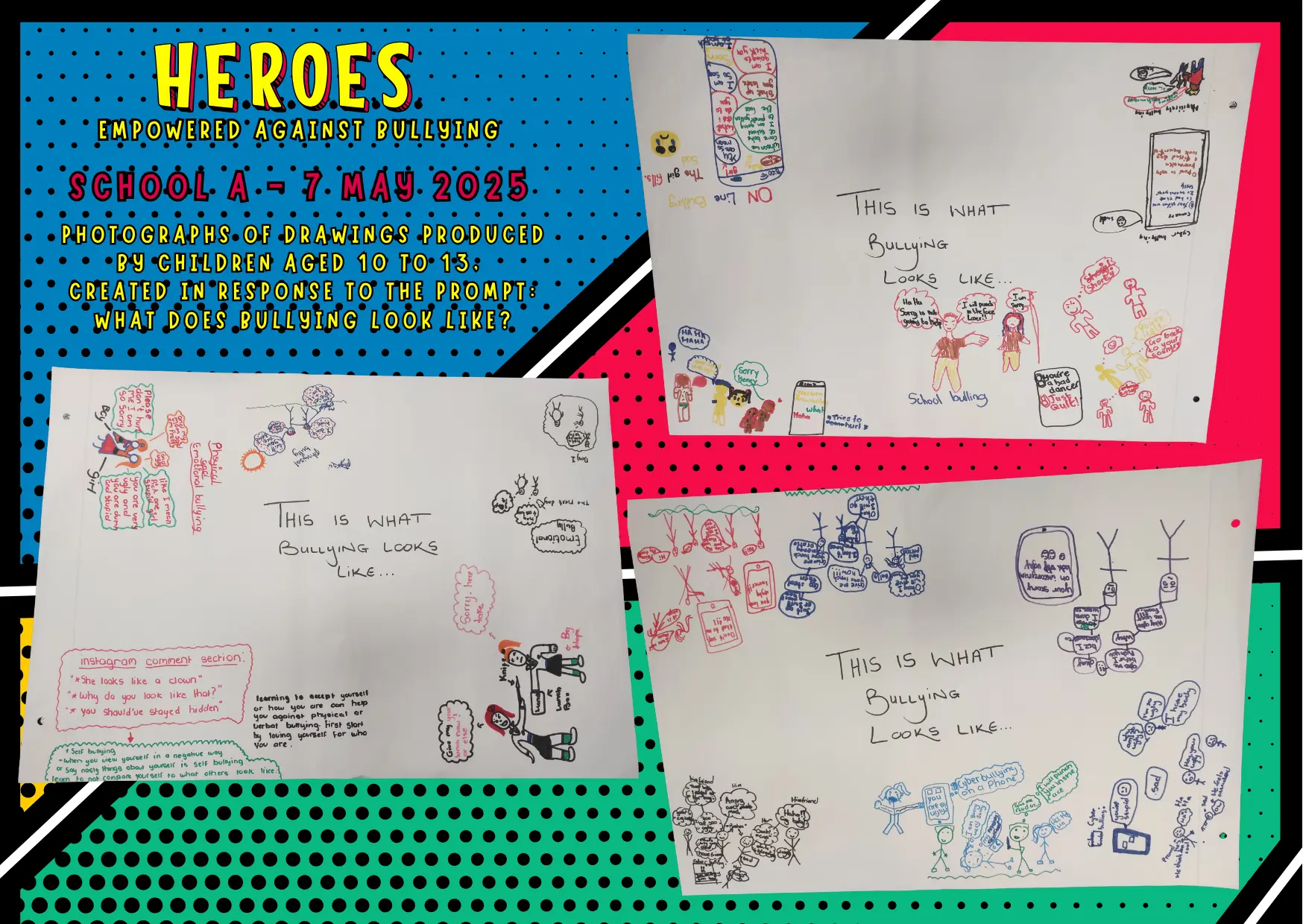
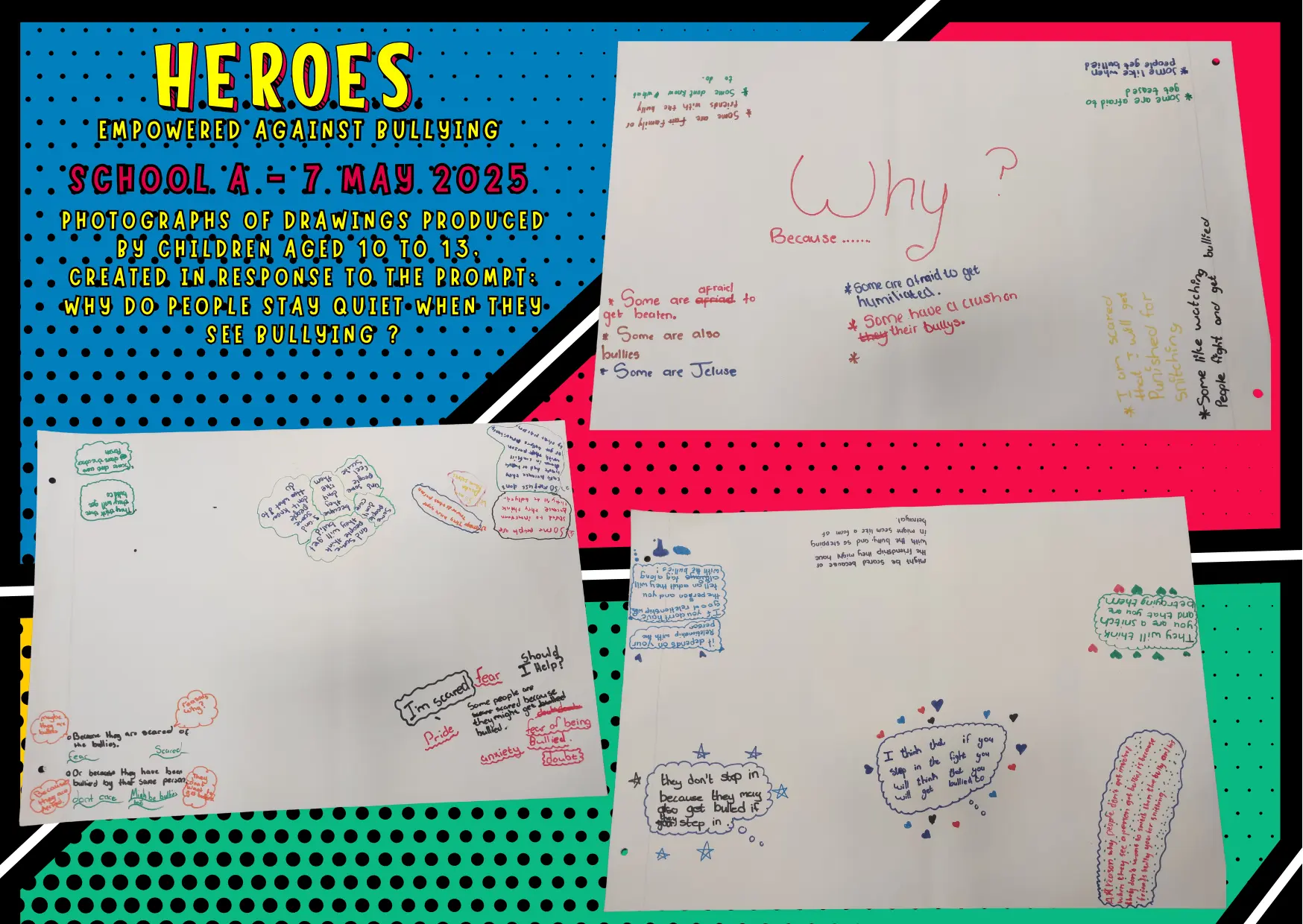
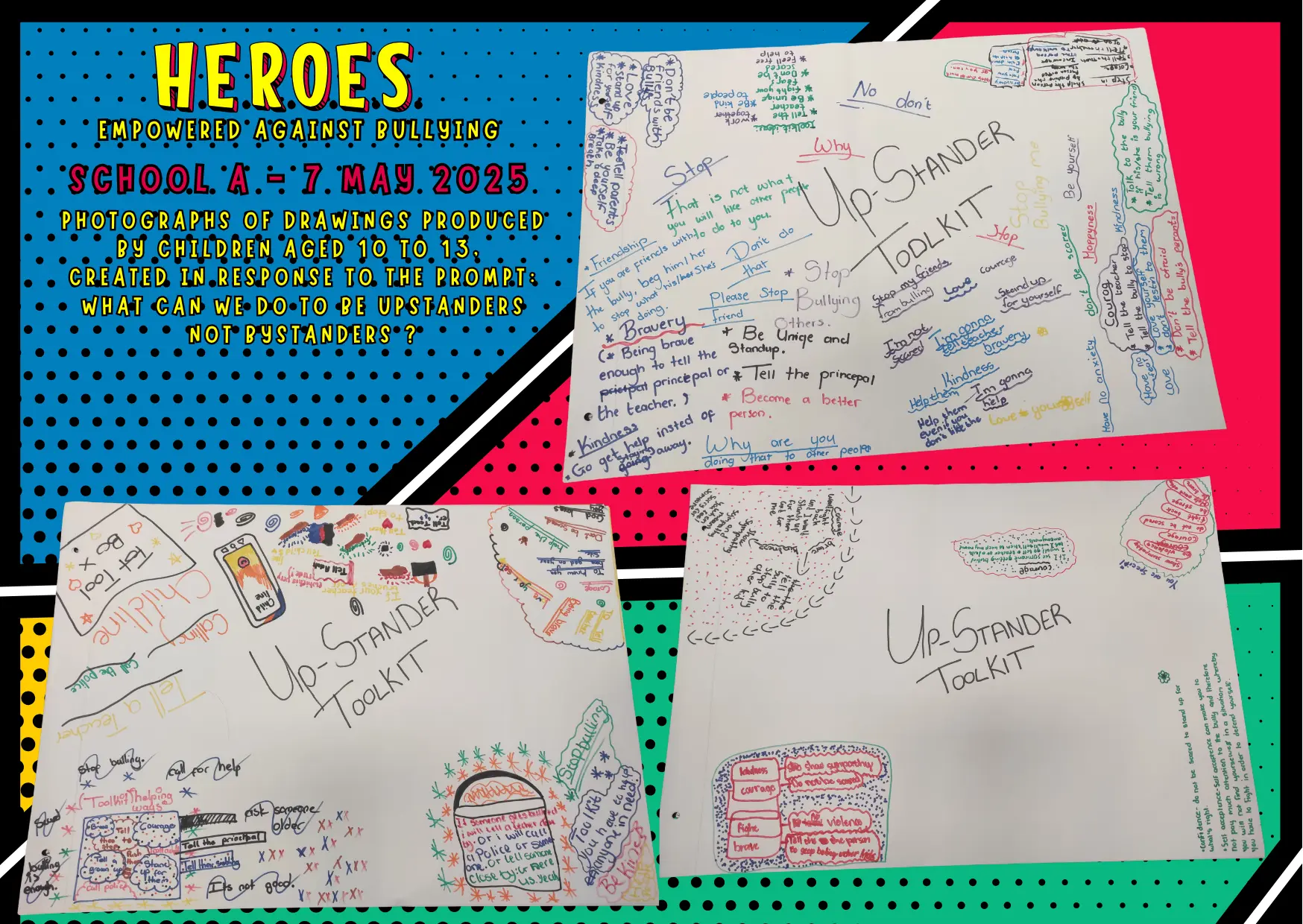
The group studied detailed responses from participating children at School A, alongside insights from a conversation with a clinical psychologist, which informed the ongoing development of content. Short creative exercises continued, with each team member creating 5-minute scenes based on the five steps of the Bystander Intervention Model.
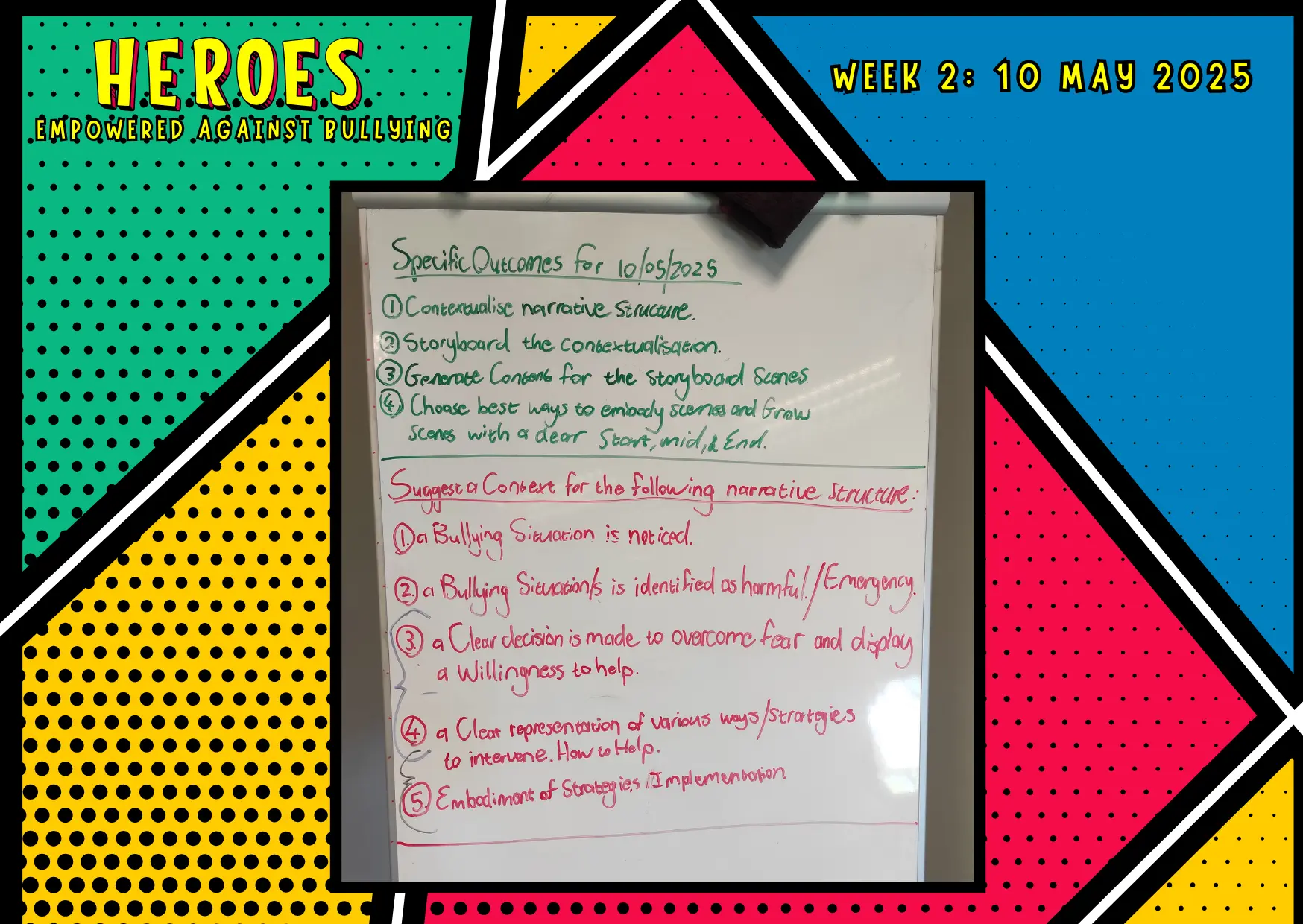
These scenes, shaped by the research and feedback, helped form clusters of devised moments that laid the foundation for the final narrative. By the end of the week, each member had crafted a personal storyline following the same structure—recognising an event, identifying it as an emergency, taking responsibility, deciding on an intervention, and acting.
This gave the group four narrative options to work with in refining the performance in the following week.
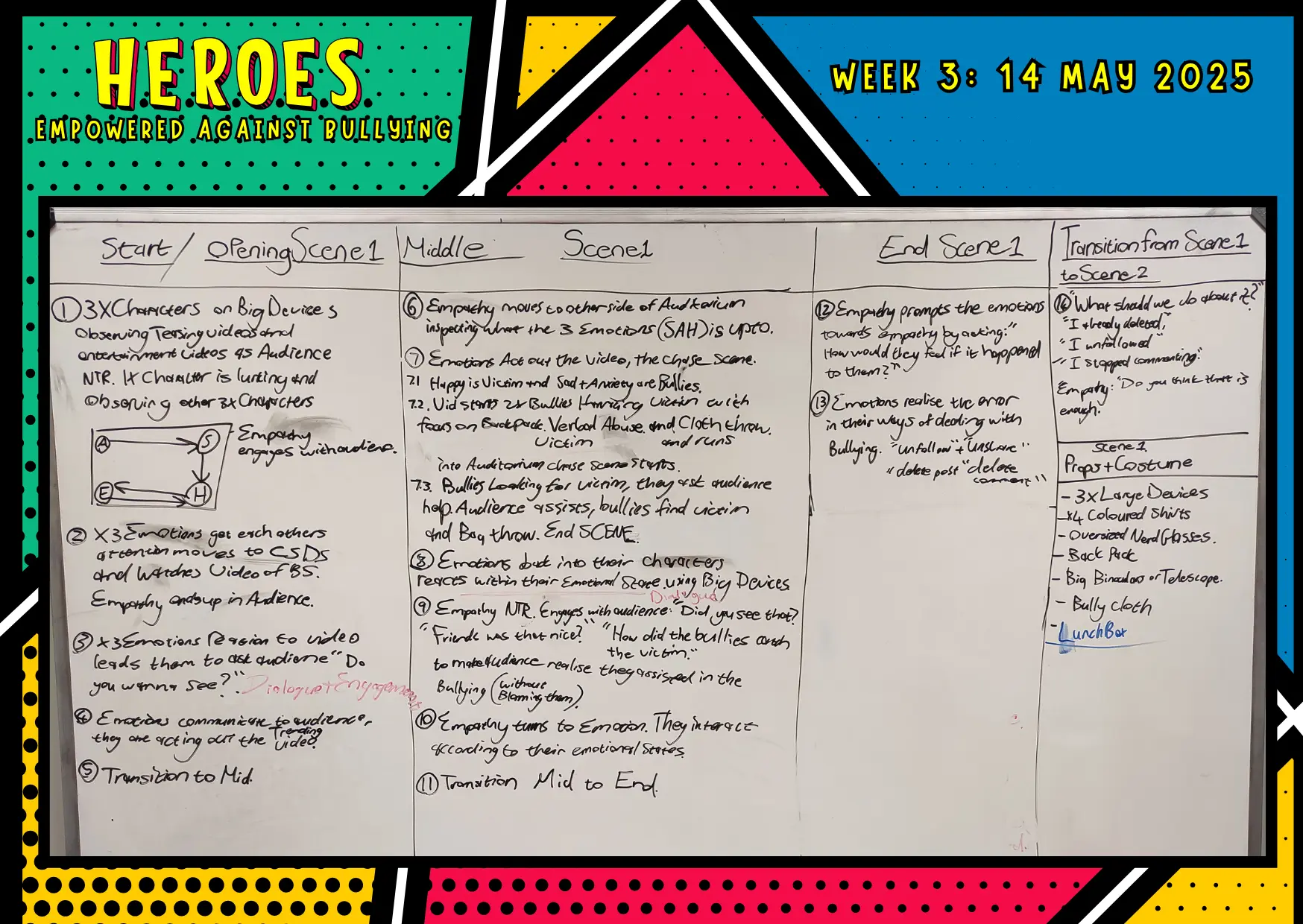
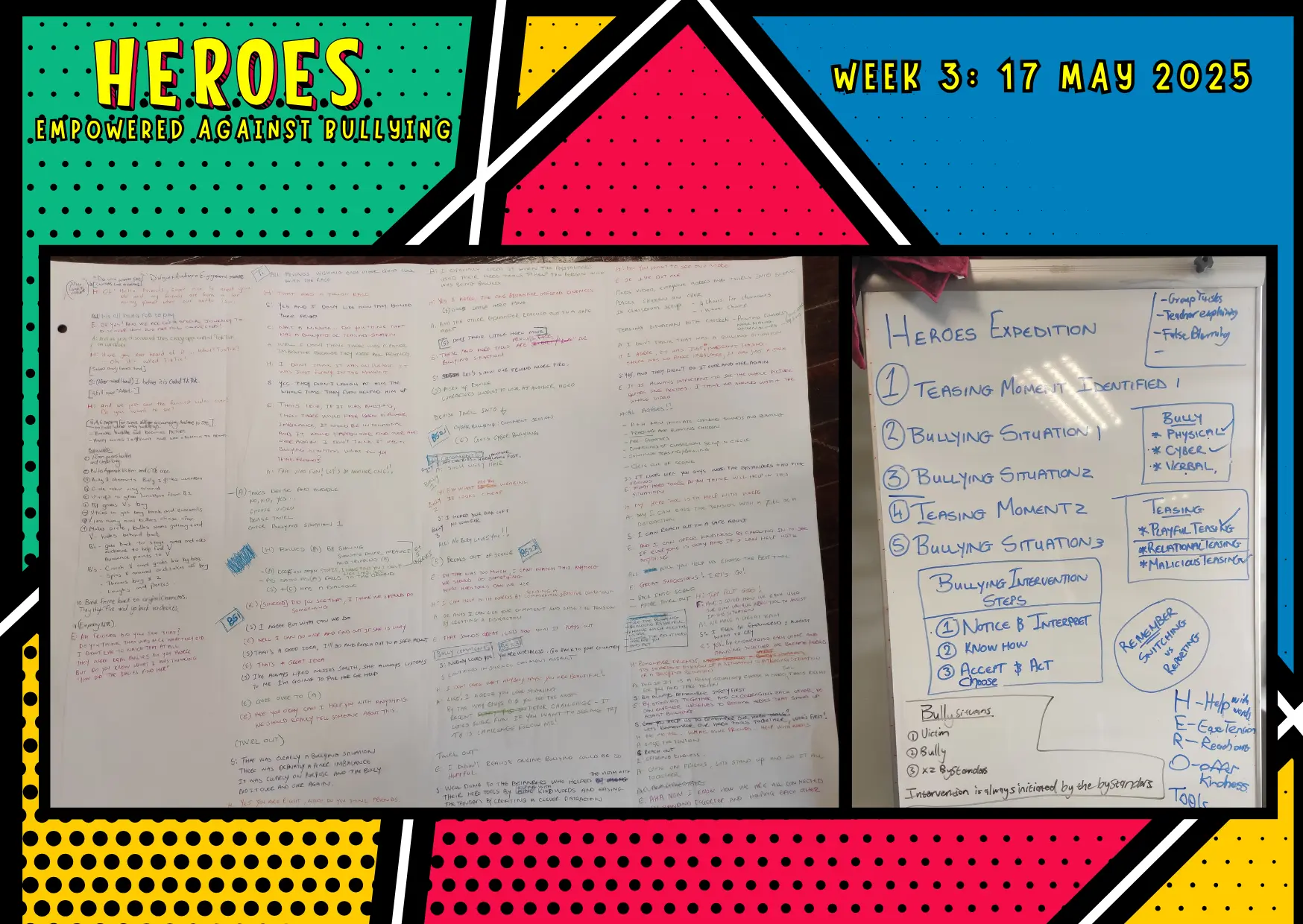
In week three, the team focused on finalising the script by collaboratively shaping the narrative and making creative decisions.
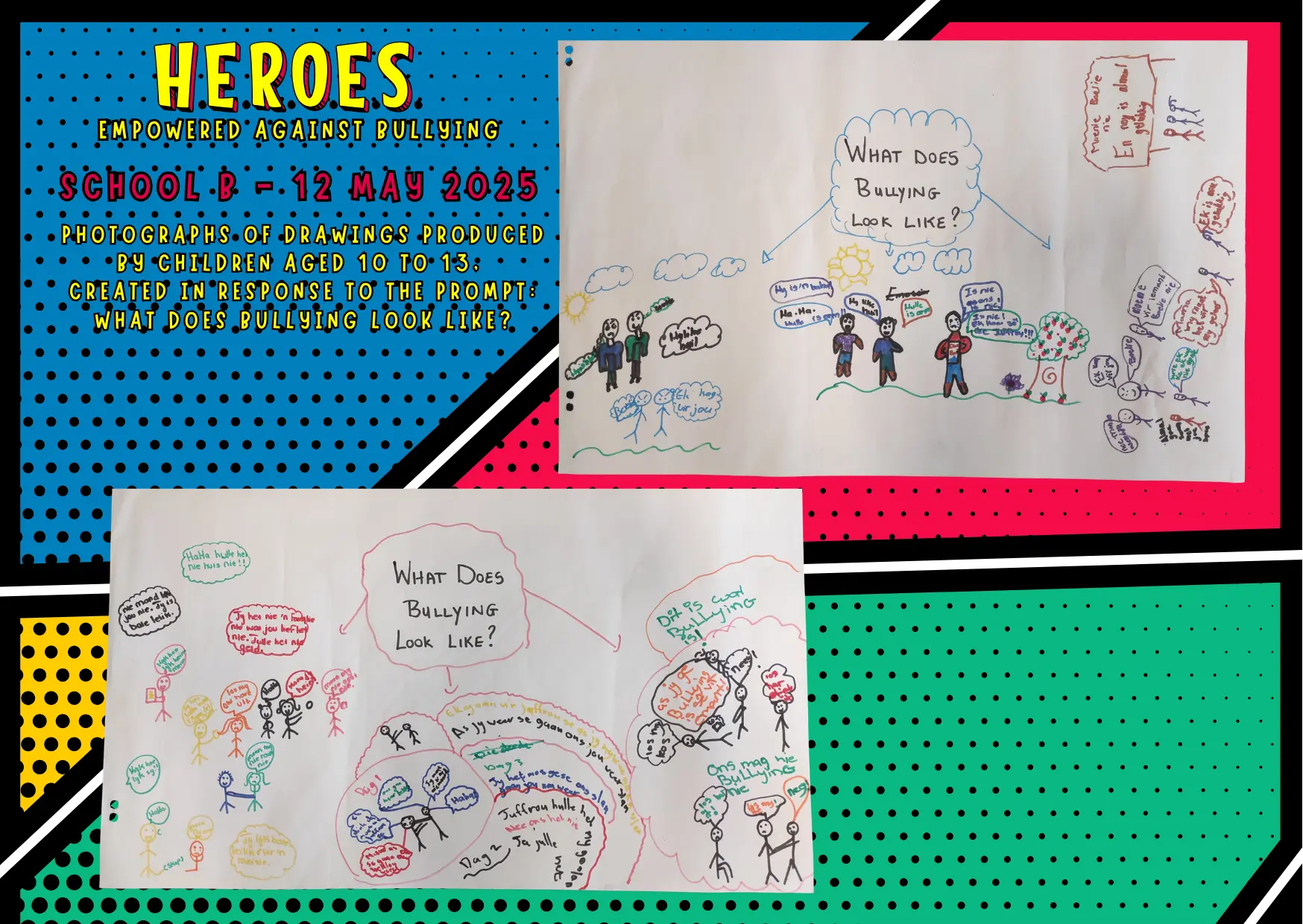
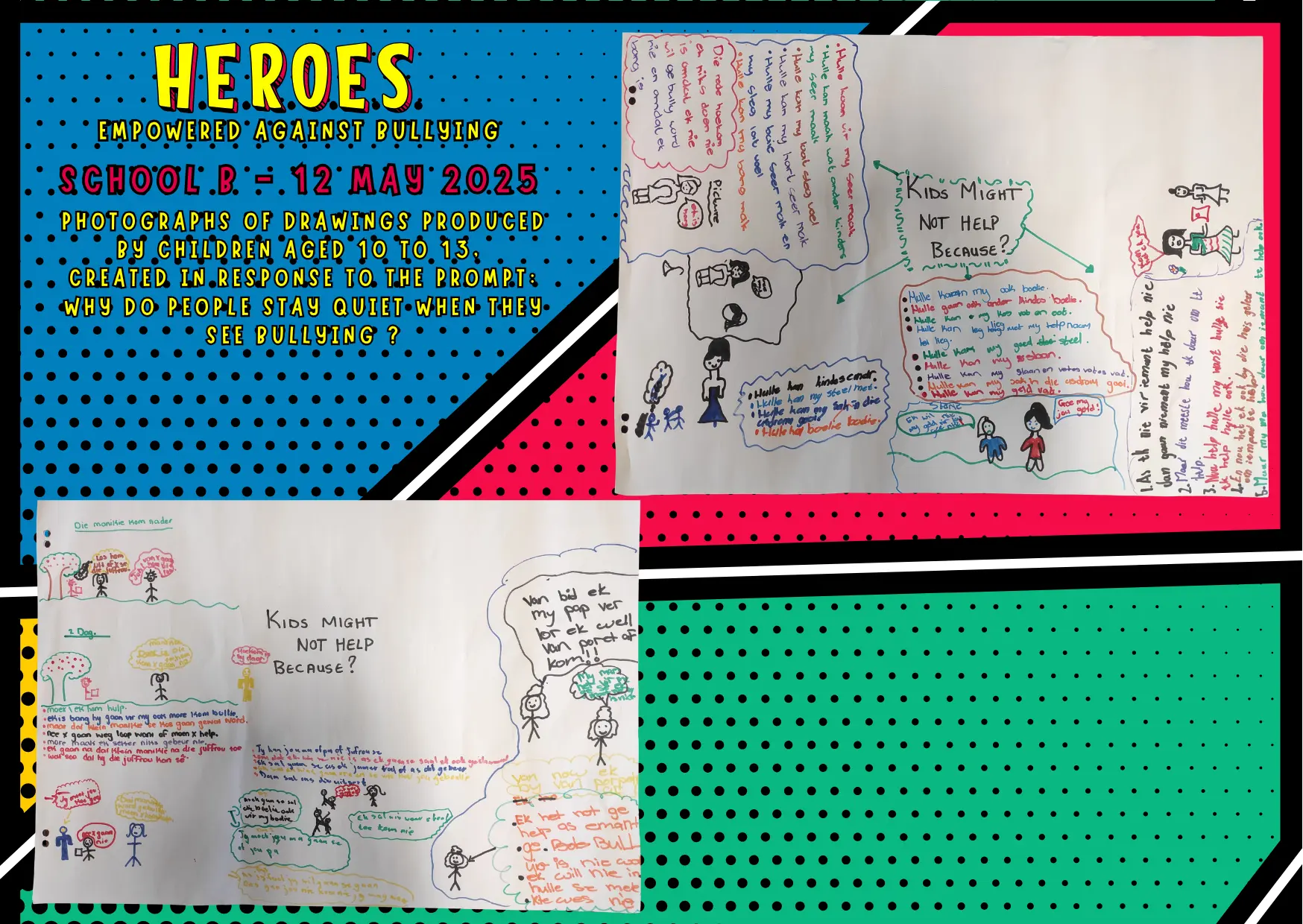
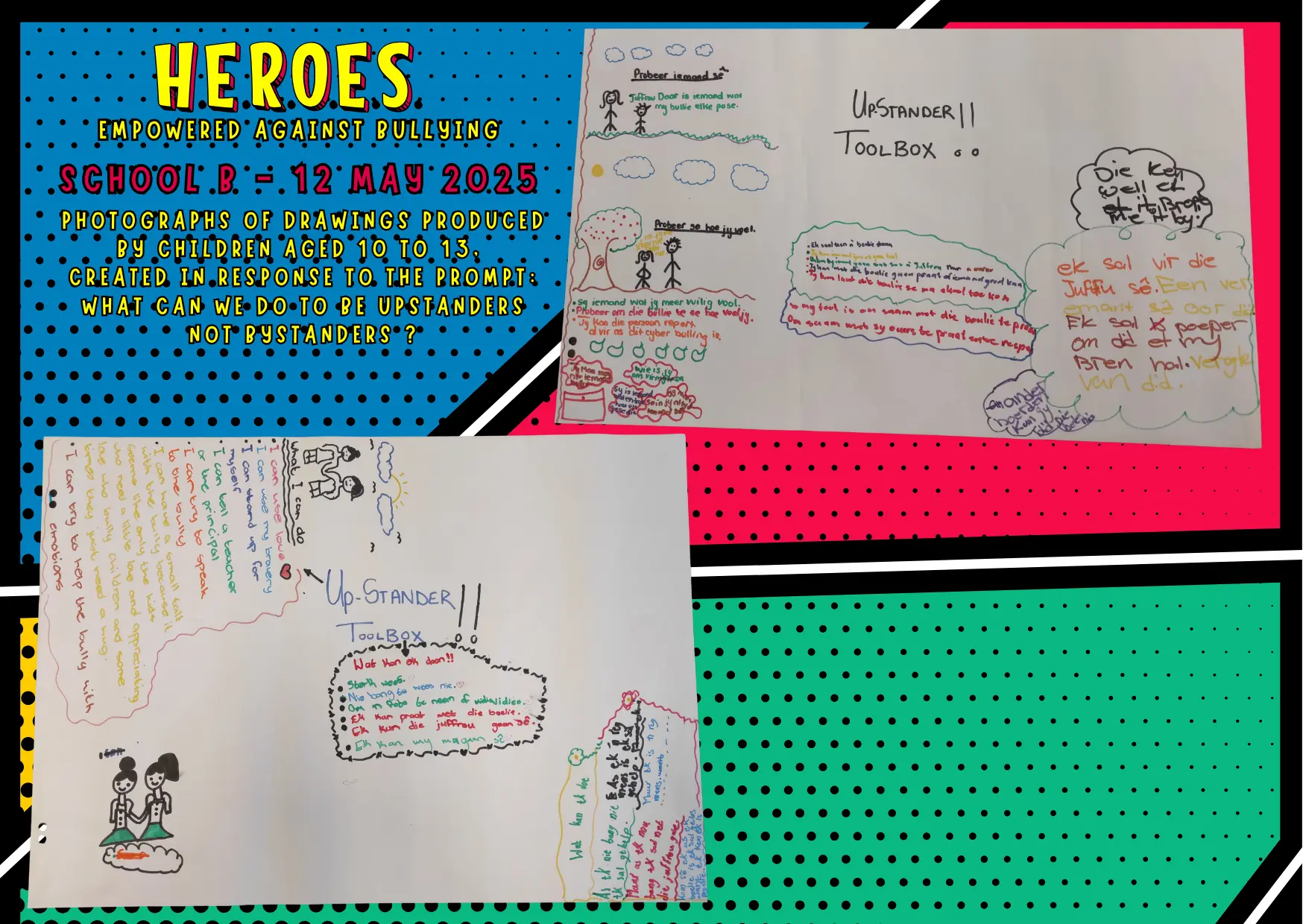
We began by reflecting on the four individual stories developed in the previous week, identifying what elements resonated most and could be adapted for a children’s performance. Drawing from School B’s responses and aligning them with School A’s, we analysed which insights to emphasise. Taking into account our research, expert feedback, and personal perspectives, we began shaping the script scene by scene.
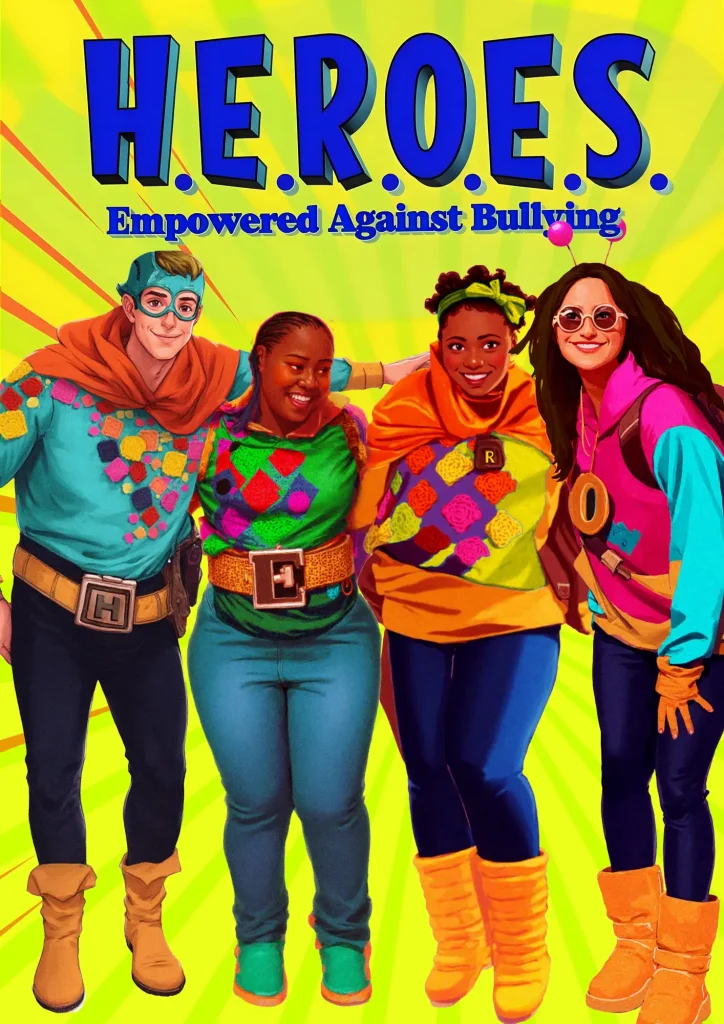
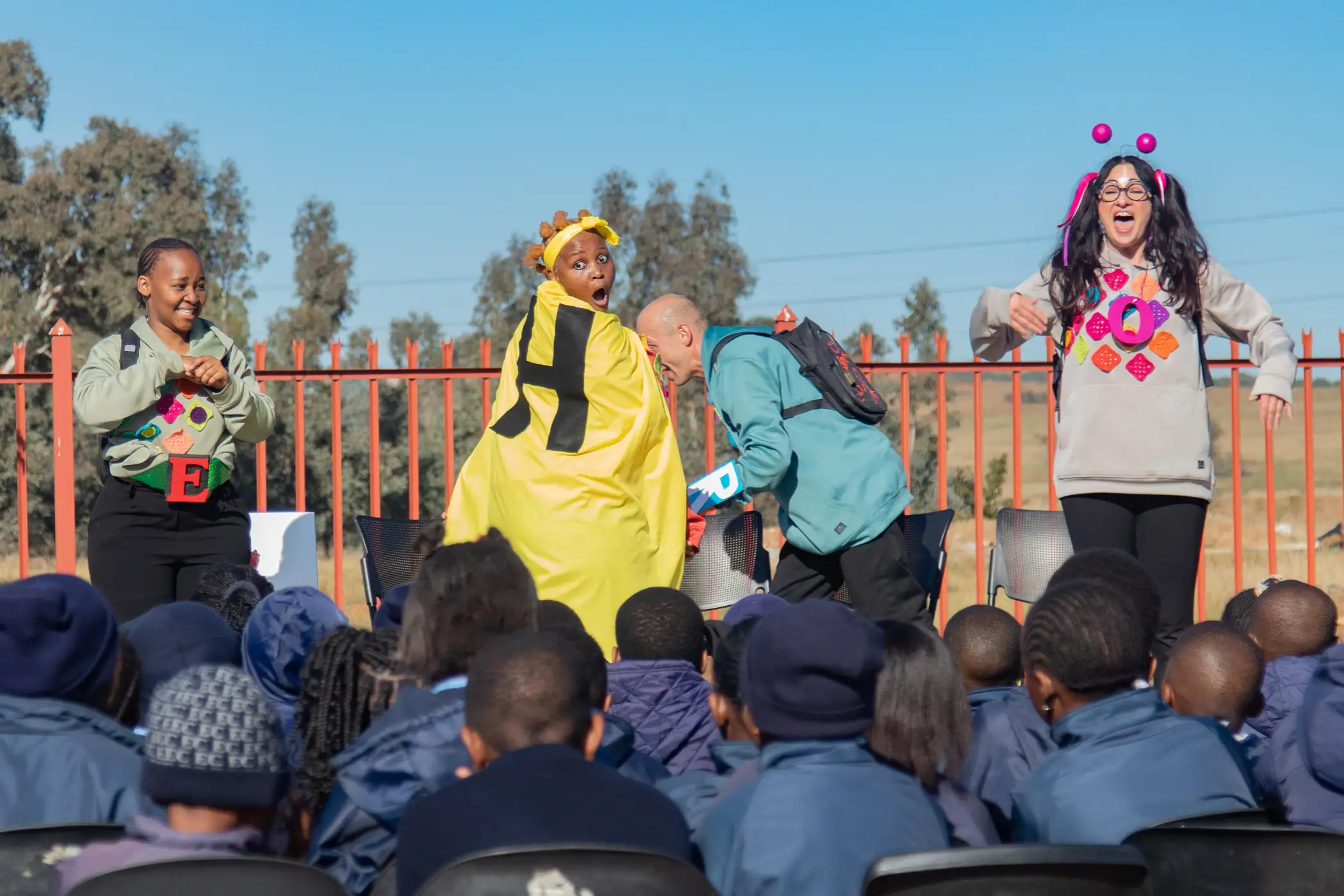
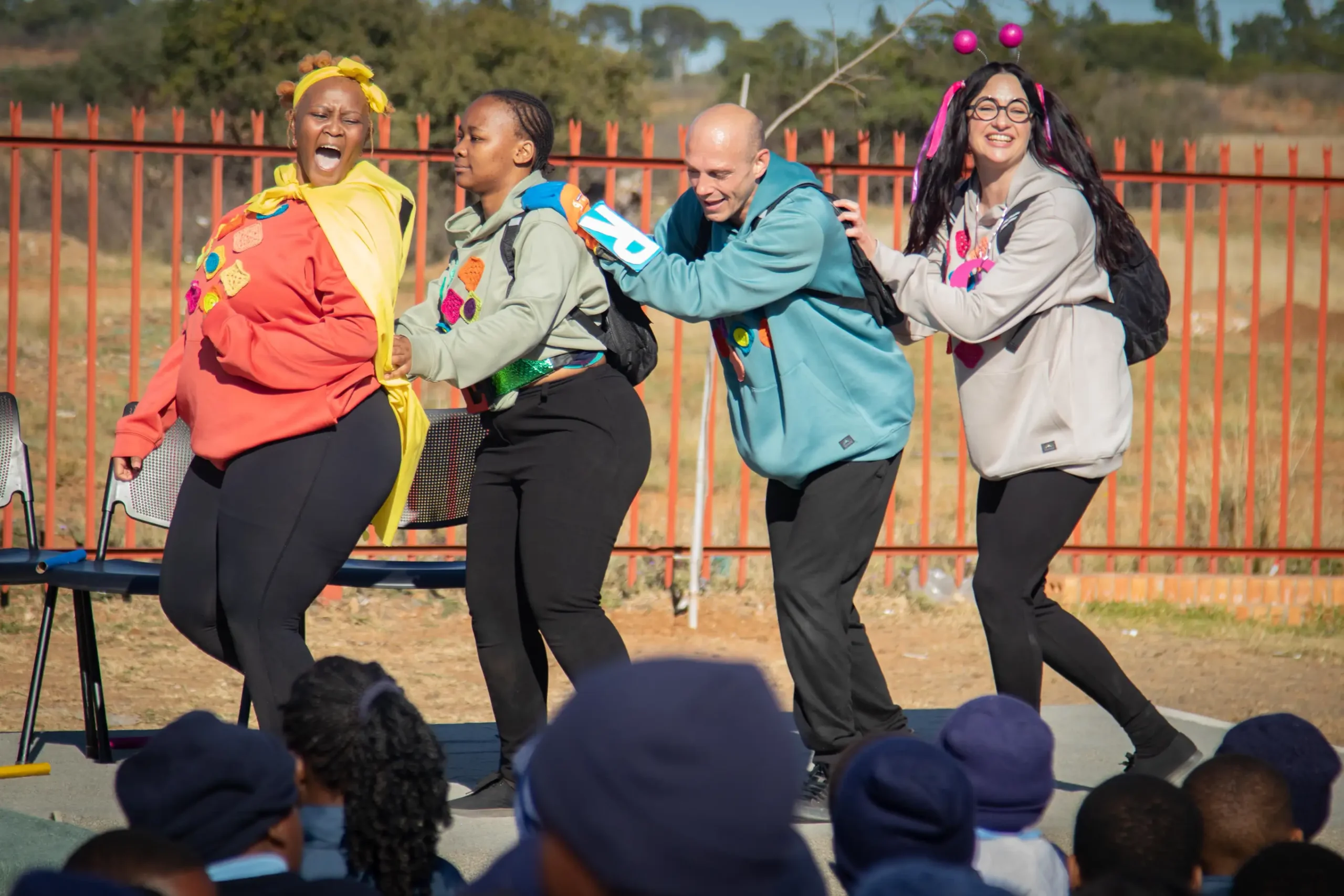
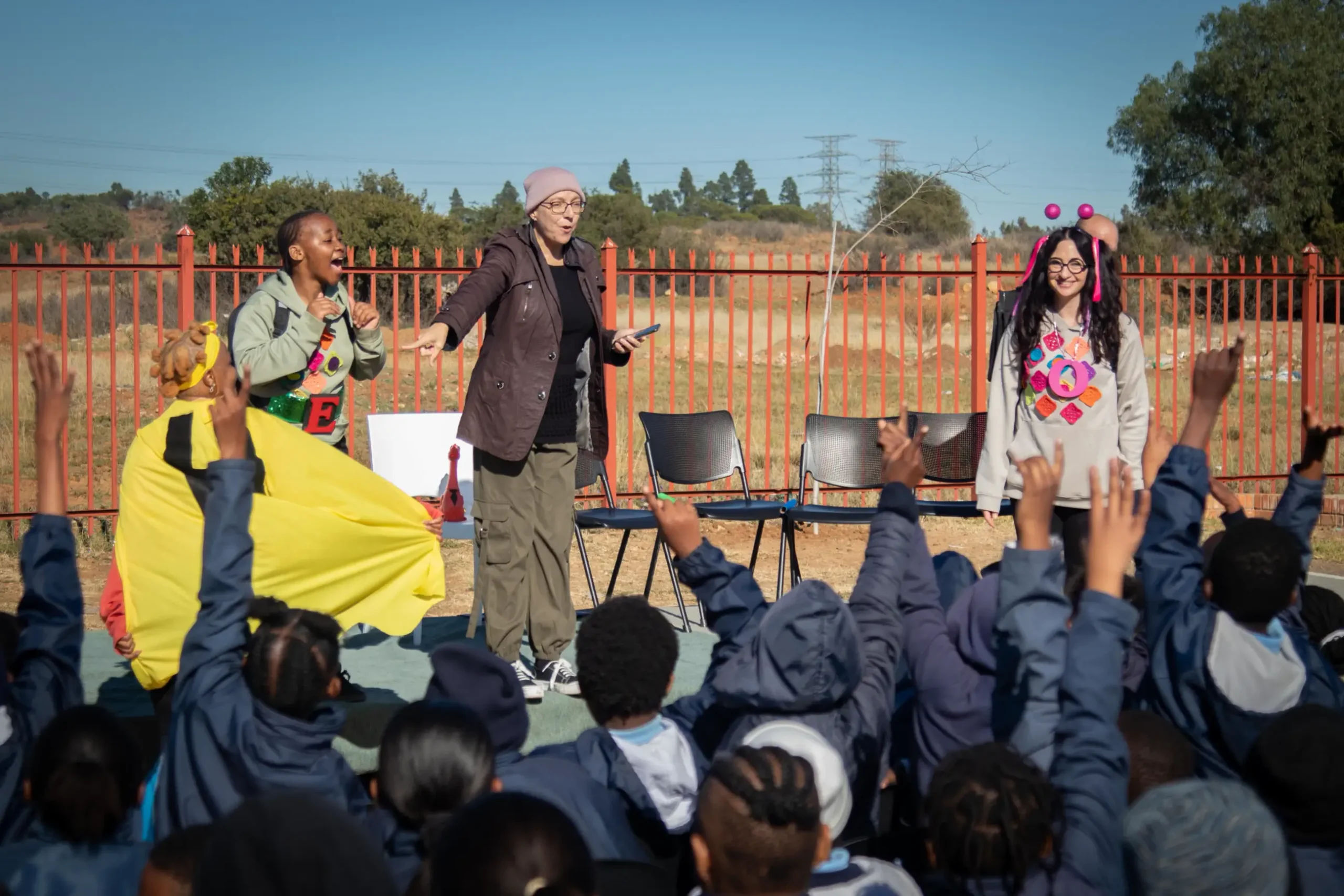
The story combines virtual and real-life bullying experiences, with characters designed to be relatable, believable, and engaging, allowing children to connect with them. Through these characters, we aimed to offer a type of role model that promotes empowerment, delivering an inspiring message: if we can do it, so can you. The narrative evolved into a storyline that explores the concept of being a bystander, empowering children to become upstanders against bullying through characters who transform into heroes, each equipped with unique tools representing various intervention strategies.
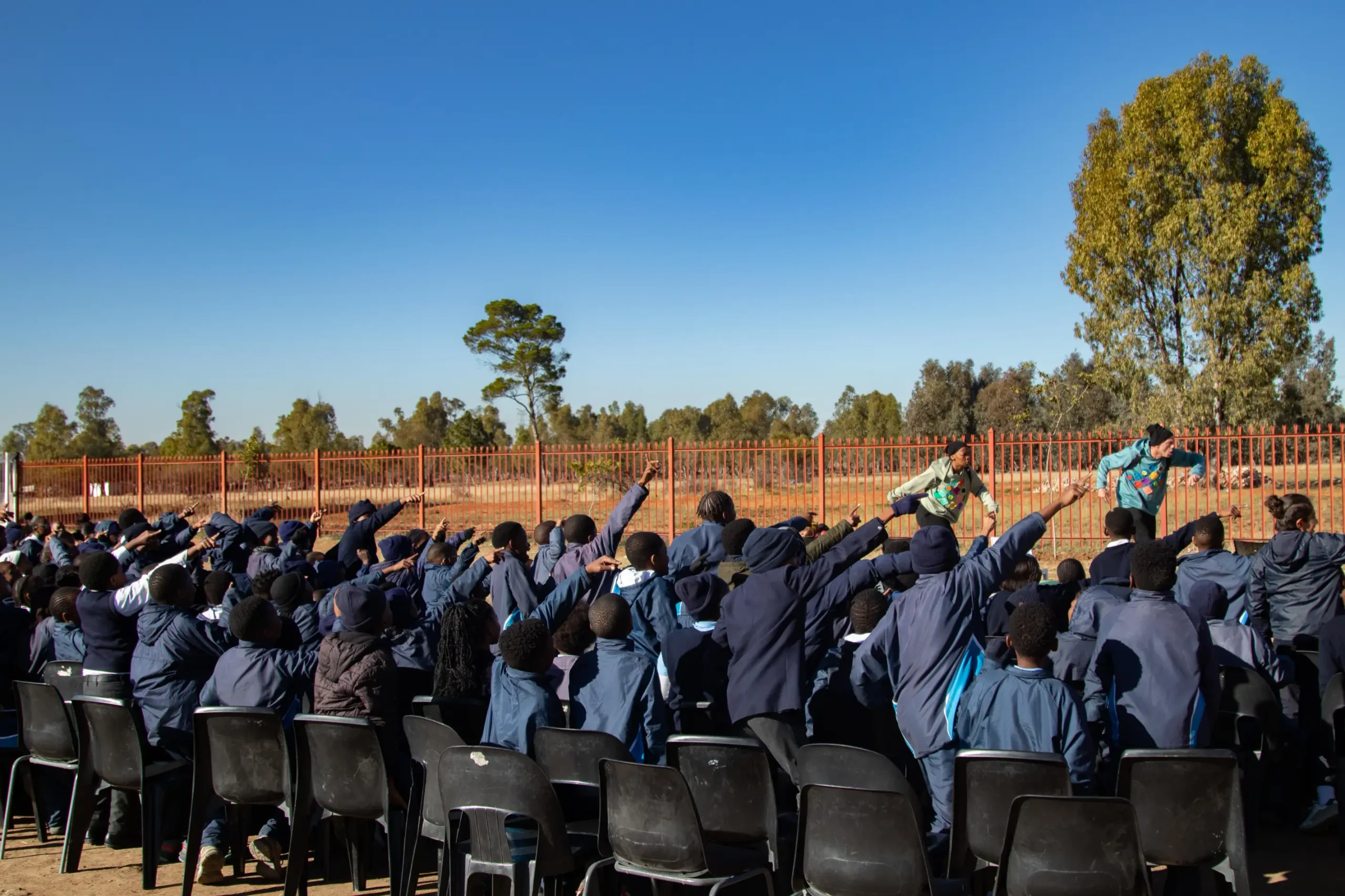
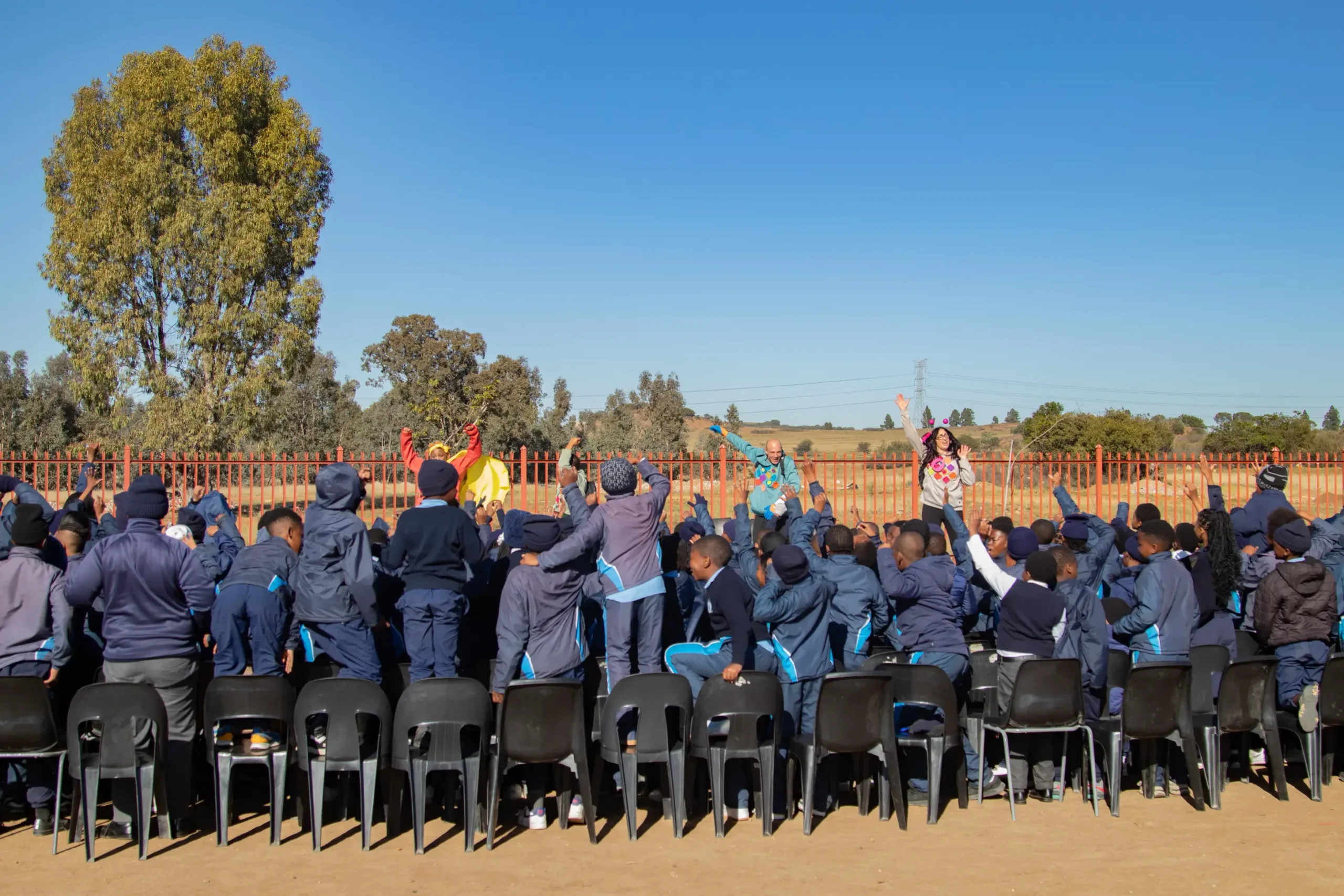
This framework allowed the characters to visually demonstrate different intervention tools for combating bullying, while also inviting continuous audience participation through verbal engagement and reflection on the strategies presented. Scene by scene, the narrative was analysed and structured by examining the beginning, middle, and end of each segment.
In week four, the process shifted from content creation to refining the overall performance structure. The team worked collaboratively to carefully plot each scene, ensuring smooth transitions and pacing that would keep the audience engaged.
Character development was further explored through shared input, helping to shape each character’s physicality, vocal choices, emotional depth, and relationships. The script and dialogue were continually edited to maintain clarity, conciseness, and engagement.
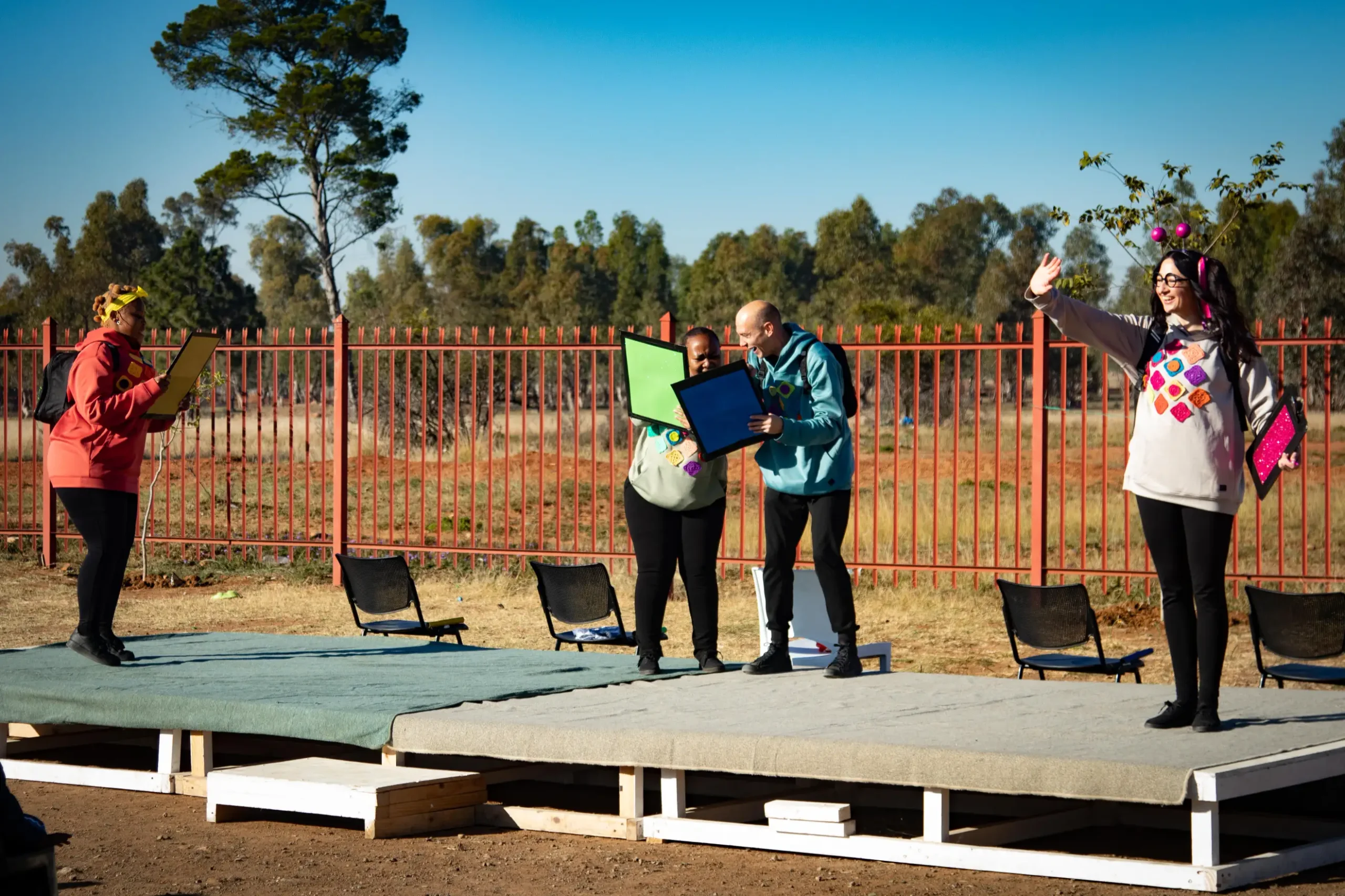
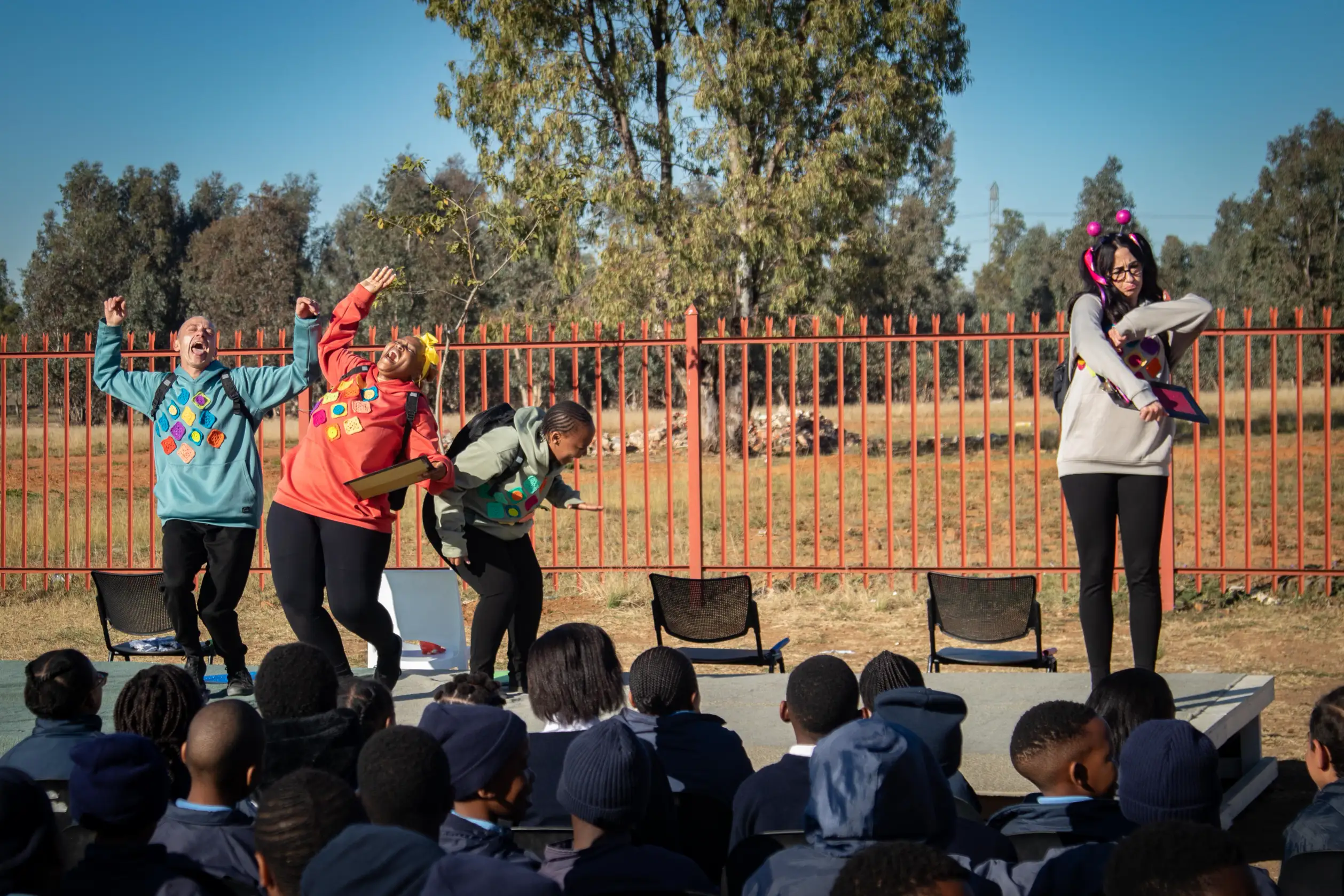
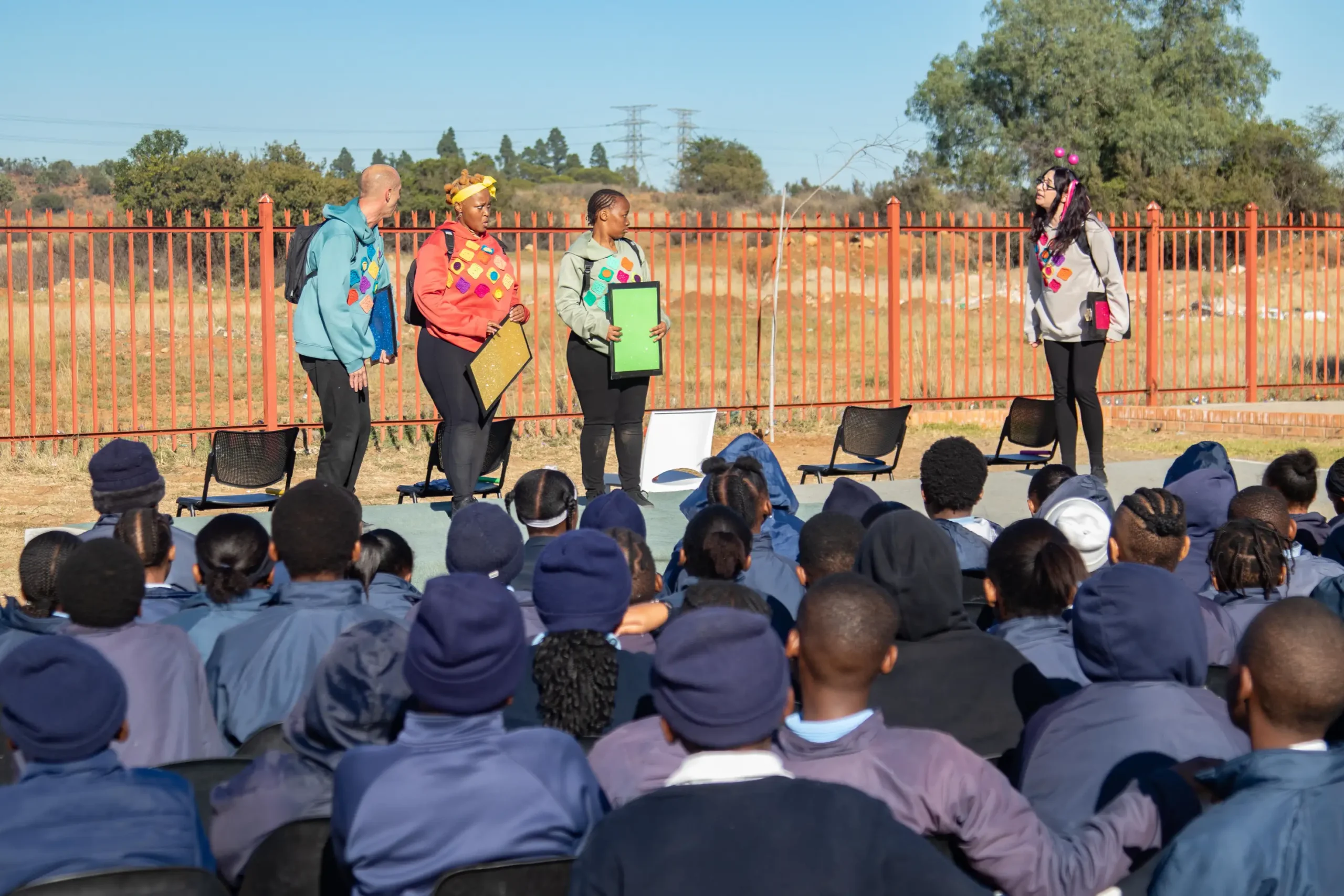
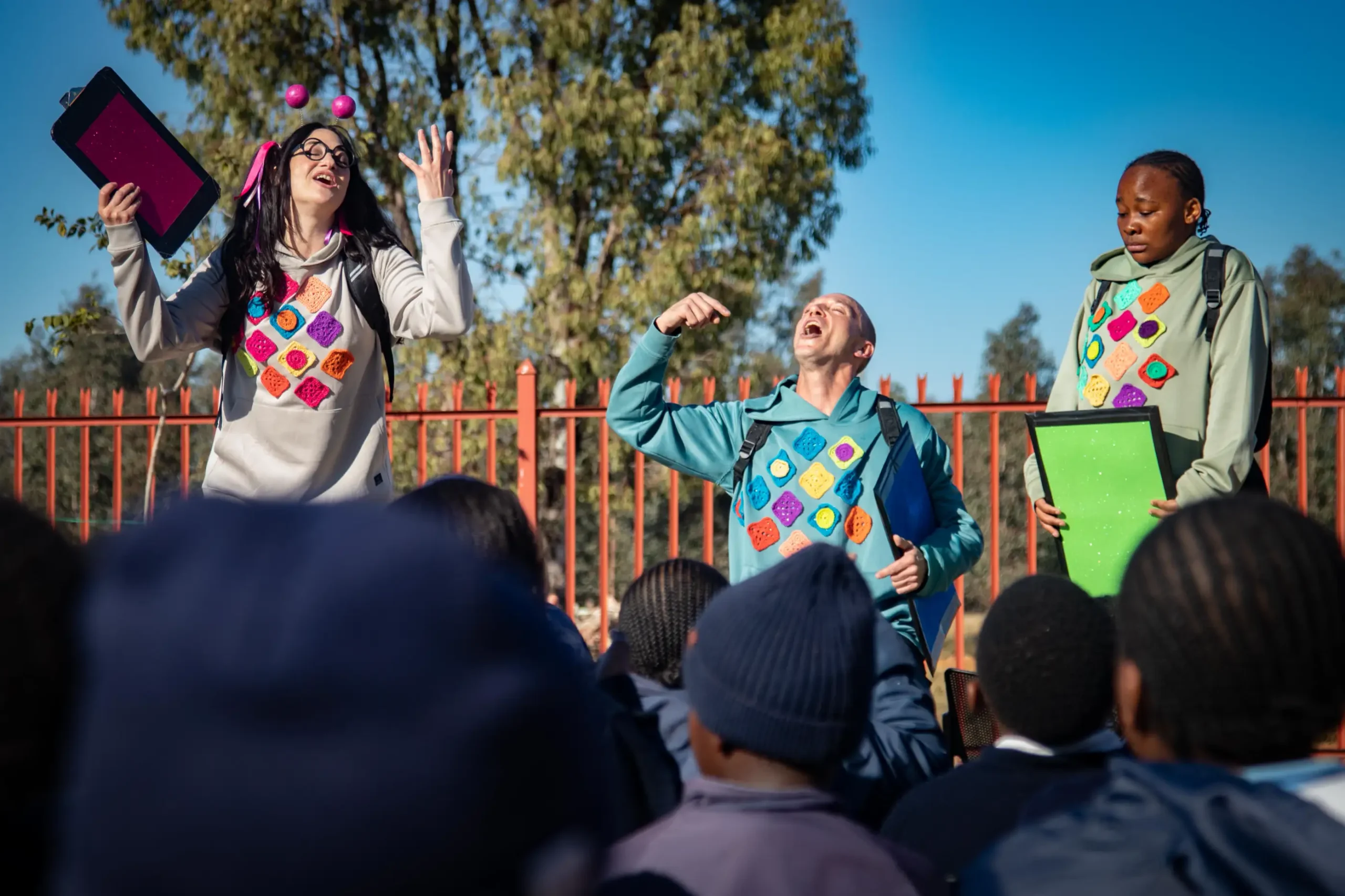
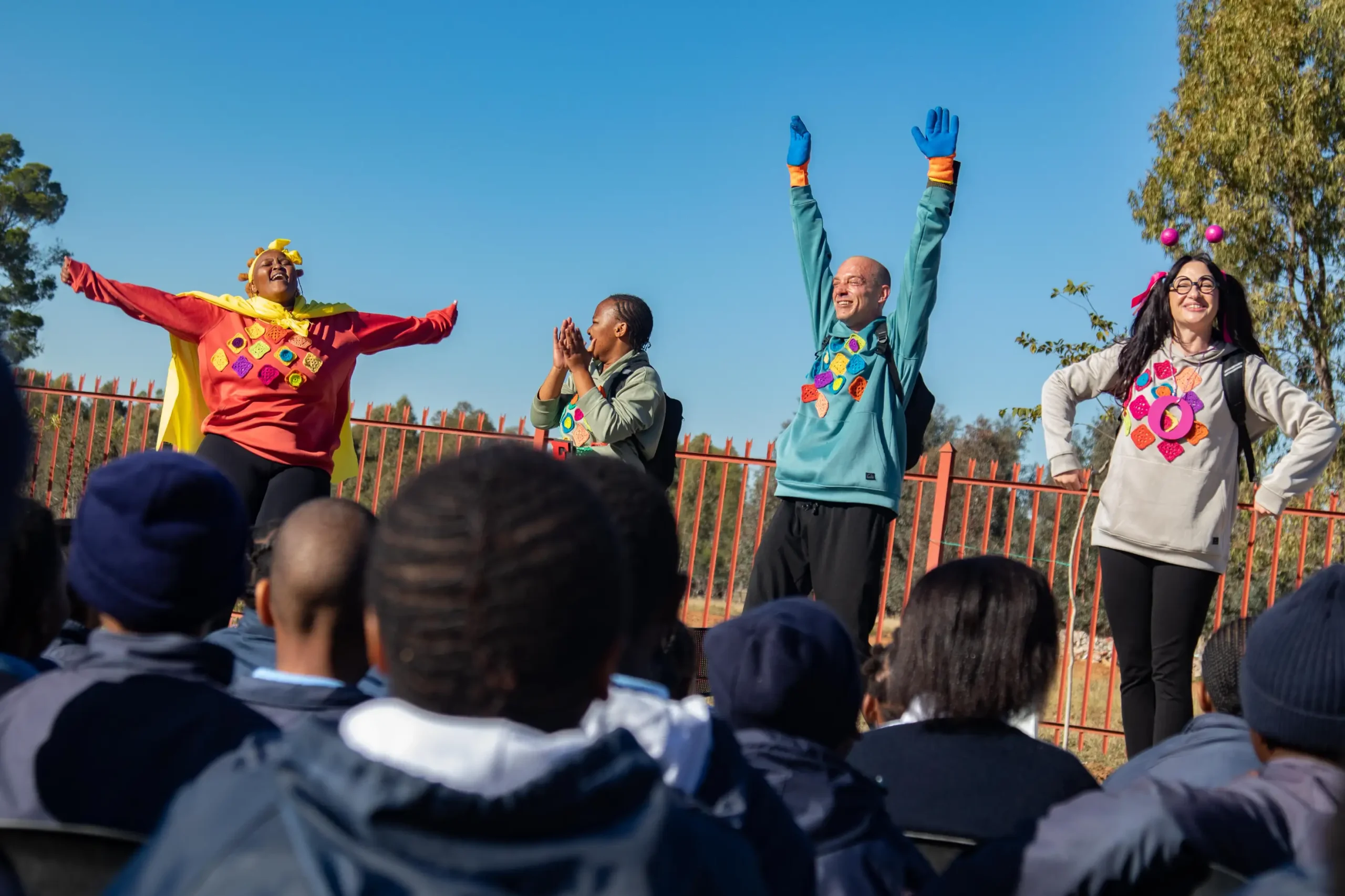
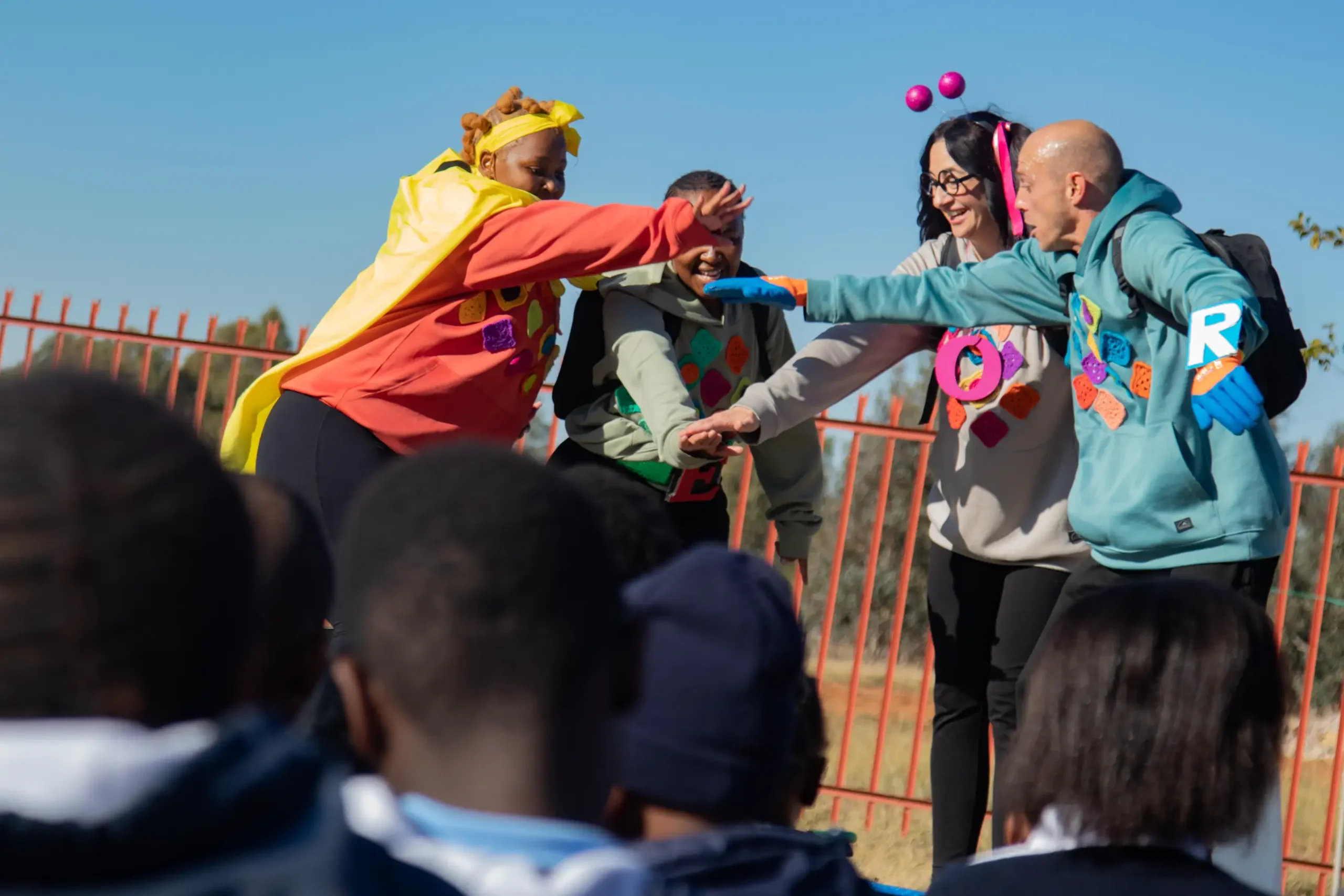
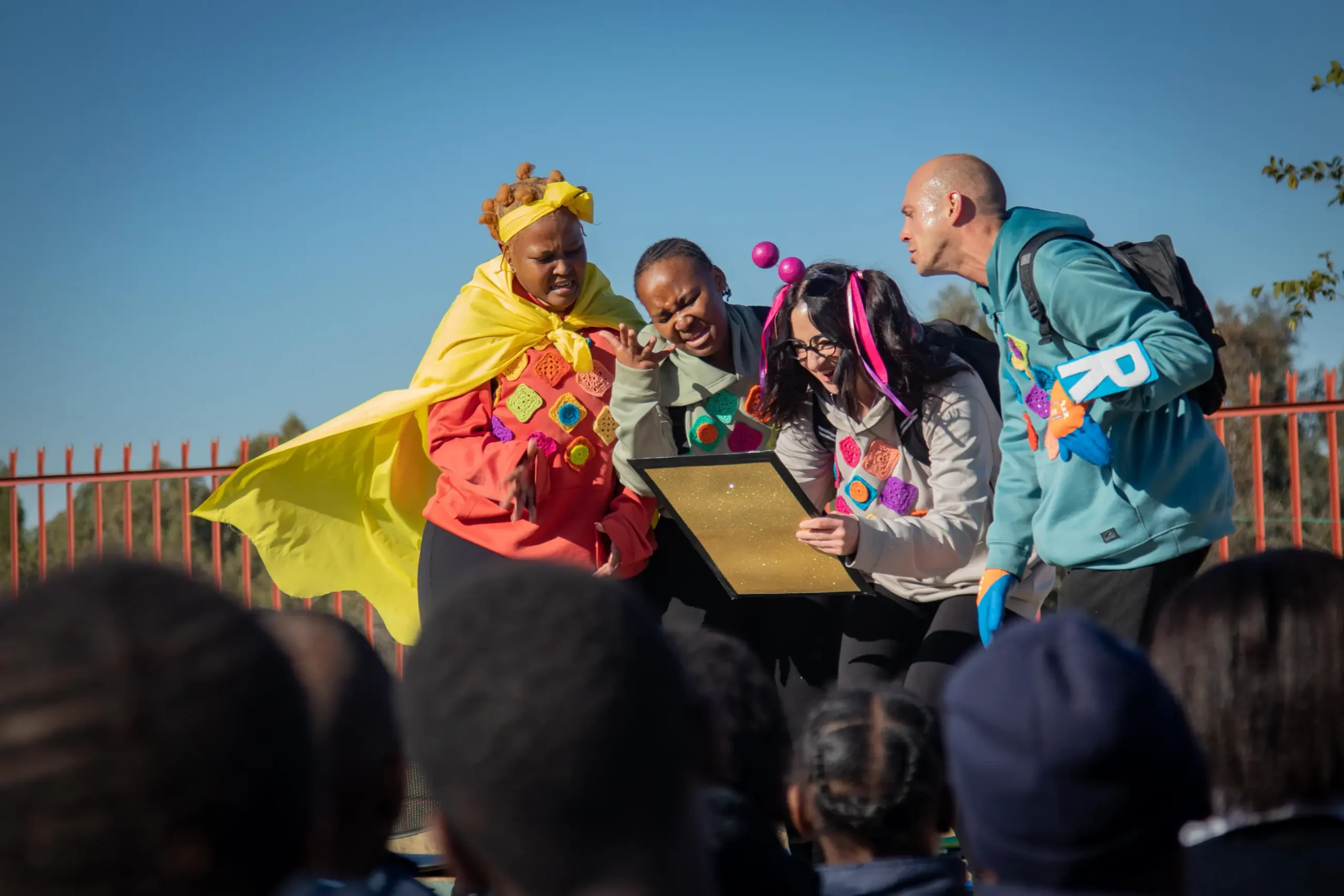
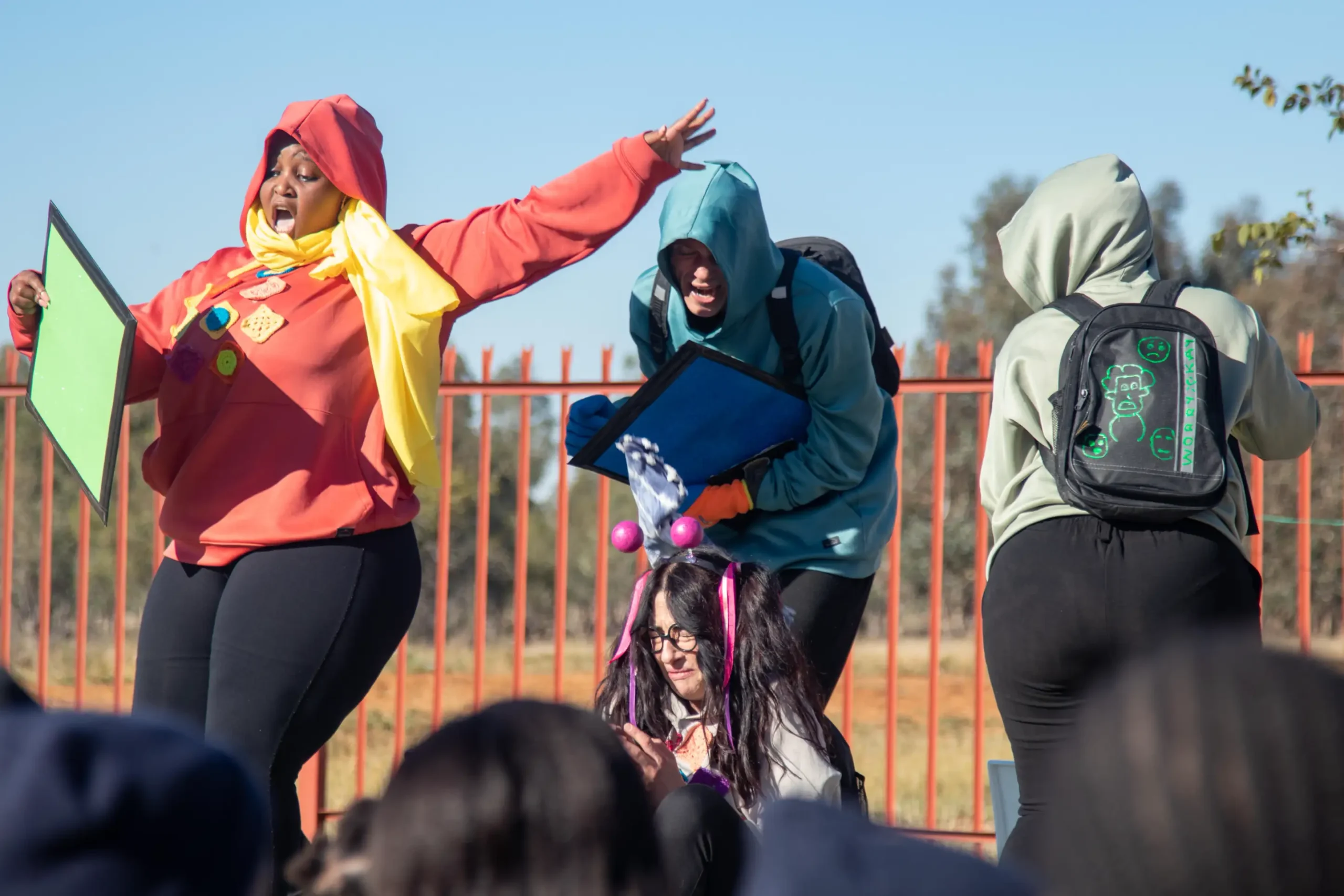
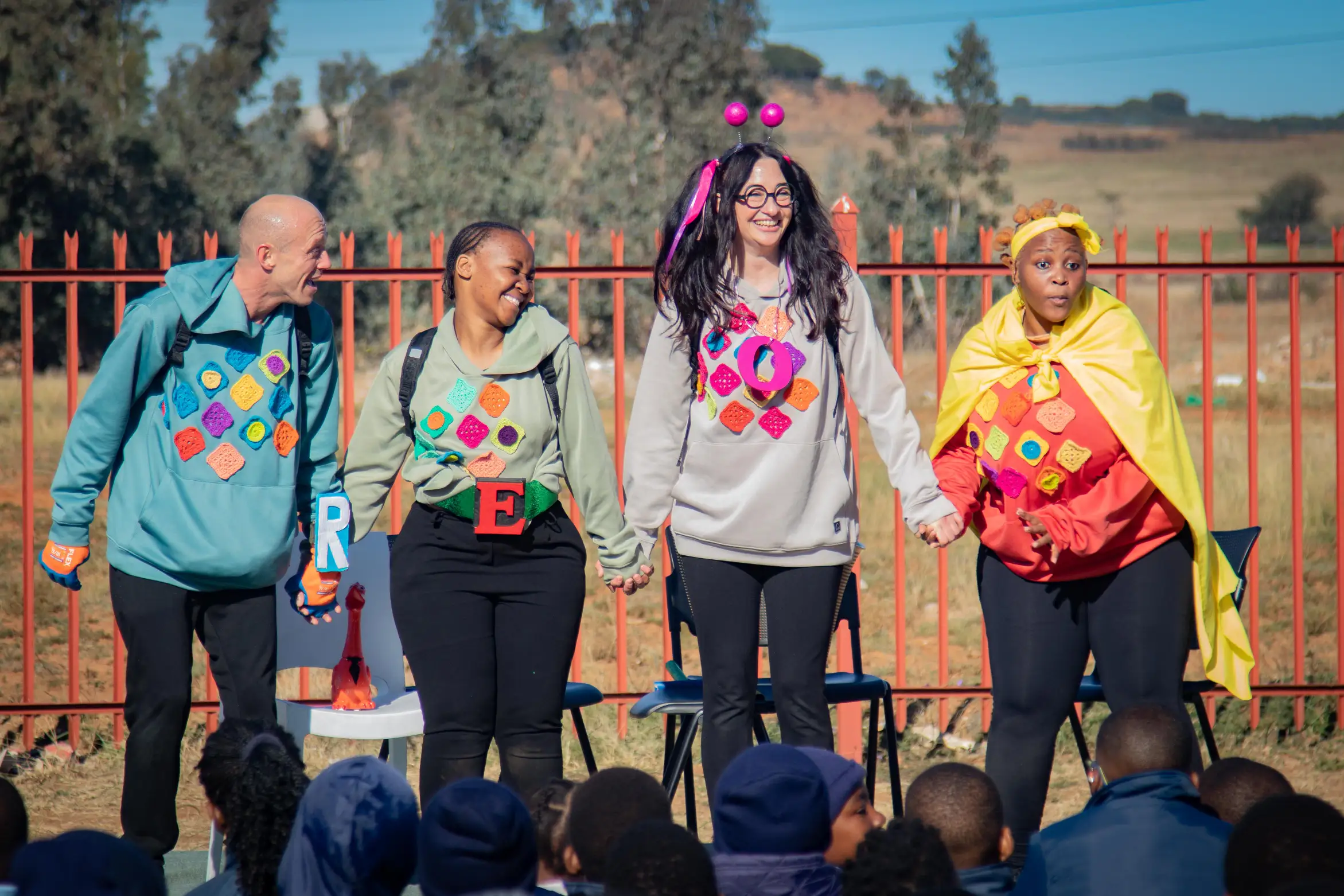
A creative decision was made to keep visual elements minimal, focusing instead on storytelling and emotional connection. Props and décor were chosen thoughtfully for their practical contribution to each scene, while costume elements—especially the coloured crochet squares on each character’s pullover—were used symbolically to reflect the complexity and variety of emotions people experience.
On May 23rd, the production was shared with an applied theatre expert, who gave helpful feedback for minor improvements. Through rehearsals, repetition, refining blocking, memorising lines, and embedding cues, the team built confidence in the performance.
A final dress rehearsal on May 25th for a small test audience received very positive feedback, confirming that the production was ready for public presentation.